
Get trending papers in your email inbox once a day!
Get trending papers in your email inbox!
Subscribe


End-to-end Audio-visual Speech Recognition with Conformers
In this work, we present a hybrid CTC/Attention model based on a ResNet-18 and Convolution-augmented transformer (Conformer), that can be trained in an end-to-end manner. In particular, the audio and visual encoders learn to extract features directly from raw pixels and audio waveforms, respectively, which are then fed to conformers and then fusion takes place via a Multi-Layer Perceptron (MLP). The model learns to recognise characters using a combination of CTC and an attention mechanism. We show that end-to-end training, instead of using pre-computed visual features which is common in the literature, the use of a conformer, instead of a recurrent network, and the use of a transformer-based language model, significantly improve the performance of our model. We present results on the largest publicly available datasets for sentence-level speech recognition, Lip Reading Sentences 2 (LRS2) and Lip Reading Sentences 3 (LRS3), respectively. The results show that our proposed models raise the state-of-the-art performance by a large margin in audio-only, visual-only, and audio-visual experiments.
DINOv2: Learning Robust Visual Features without Supervision
The recent breakthroughs in natural language processing for model pretraining on large quantities of data have opened the way for similar foundation models in computer vision. These models could greatly simplify the use of images in any system by producing all-purpose visual features, i.e., features that work across image distributions and tasks without finetuning. This work shows that existing pretraining methods, especially self-supervised methods, can produce such features if trained on enough curated data from diverse sources. We revisit existing approaches and combine different techniques to scale our pretraining in terms of data and model size. Most of the technical contributions aim at accelerating and stabilizing the training at scale. In terms of data, we propose an automatic pipeline to build a dedicated, diverse, and curated image dataset instead of uncurated data, as typically done in the self-supervised literature. In terms of models, we train a ViT model (Dosovitskiy et al., 2020) with 1B parameters and distill it into a series of smaller models that surpass the best available all-purpose features, OpenCLIP (Ilharco et al., 2021) on most of the benchmarks at image and pixel levels.


Prompt-CAM: Making Vision Transformers Interpretable for Fine-Grained Analysis
We present a simple approach to make pre-trained Vision Transformers (ViTs) interpretable for fine-grained analysis, aiming to identify and localize the traits that distinguish visually similar categories, such as bird species. Pre-trained ViTs, such as DINO, have demonstrated remarkable capabilities in extracting localized, discriminative features. However, saliency maps like Grad-CAM often fail to identify these traits, producing blurred, coarse heatmaps that highlight entire objects instead. We propose a novel approach, Prompt Class Attention Map (Prompt-CAM), to address this limitation. Prompt-CAM learns class-specific prompts for a pre-trained ViT and uses the corresponding outputs for classification. To correctly classify an image, the true-class prompt must attend to unique image patches not present in other classes' images (i.e., traits). As a result, the true class's multi-head attention maps reveal traits and their locations. Implementation-wise, Prompt-CAM is almost a ``free lunch,'' requiring only a modification to the prediction head of Visual Prompt Tuning (VPT). This makes Prompt-CAM easy to train and apply, in stark contrast to other interpretable methods that require designing specific models and training processes. Extensive empirical studies on a dozen datasets from various domains (e.g., birds, fishes, insects, fungi, flowers, food, and cars) validate the superior interpretation capability of Prompt-CAM. The source code and demo are available at https://github.com/Imageomics/Prompt_CAM.

VisorGPT: Learning Visual Prior via Generative Pre-Training
Various stuff and things in visual data possess specific traits, which can be learned by deep neural networks and are implicitly represented as the visual prior, e.g., object location and shape, in the model. Such prior potentially impacts many vision tasks. For example, in conditional image synthesis, spatial conditions failing to adhere to the prior can result in visually inaccurate synthetic results. This work aims to explicitly learn the visual prior and enable the customization of sampling. Inspired by advances in language modeling, we propose to learn Visual prior via Generative Pre-Training, dubbed VisorGPT. By discretizing visual locations of objects, e.g., bounding boxes, human pose, and instance masks, into sequences, \our~can model visual prior through likelihood maximization. Besides, prompt engineering is investigated to unify various visual locations and enable customized sampling of sequential outputs from the learned prior. Experimental results demonstrate that \our~can effectively model the visual prior, which can be employed for many vision tasks, such as customizing accurate human pose for conditional image synthesis models like ControlNet. Code will be released at https://github.com/Sierkinhane/VisorGPT.


Combined CNN and ViT features off-the-shelf: Another astounding baseline for recognition
We apply pre-trained architectures, originally developed for the ImageNet Large Scale Visual Recognition Challenge, for periocular recognition. These architectures have demonstrated significant success in various computer vision tasks beyond the ones for which they were designed. This work builds on our previous study using off-the-shelf Convolutional Neural Network (CNN) and extends it to include the more recently proposed Vision Transformers (ViT). Despite being trained for generic object classification, middle-layer features from CNNs and ViTs are a suitable way to recognize individuals based on periocular images. We also demonstrate that CNNs and ViTs are highly complementary since their combination results in boosted accuracy. In addition, we show that a small portion of these pre-trained models can achieve good accuracy, resulting in thinner models with fewer parameters, suitable for resource-limited environments such as mobiles. This efficiency improves if traditional handcrafted features are added as well.
ColorMNet: A Memory-based Deep Spatial-Temporal Feature Propagation Network for Video Colorization
How to effectively explore spatial-temporal features is important for video colorization. Instead of stacking multiple frames along the temporal dimension or recurrently propagating estimated features that will accumulate errors or cannot explore information from far-apart frames, we develop a memory-based feature propagation module that can establish reliable connections with features from far-apart frames and alleviate the influence of inaccurately estimated features. To extract better features from each frame for the above-mentioned feature propagation, we explore the features from large-pretrained visual models to guide the feature estimation of each frame so that the estimated features can model complex scenarios. In addition, we note that adjacent frames usually contain similar contents. To explore this property for better spatial and temporal feature utilization, we develop a local attention module to aggregate the features from adjacent frames in a spatial-temporal neighborhood. We formulate our memory-based feature propagation module, large-pretrained visual model guided feature estimation module, and local attention module into an end-to-end trainable network (named ColorMNet) and show that it performs favorably against state-of-the-art methods on both the benchmark datasets and real-world scenarios. The source code and pre-trained models will be available at https://github.com/yyang181/colormnet.
Scaling Vision Pre-Training to 4K Resolution
High-resolution perception of visual details is crucial for daily tasks. Current vision pre-training, however, is still limited to low resolutions (e.g., 378 x 378 pixels) due to the quadratic cost of processing larger images. We introduce PS3 that scales CLIP-style vision pre-training to 4K resolution with a near-constant cost. Instead of contrastive learning on global image representation, PS3 is pre-trained by selectively processing local regions and contrasting them with local detailed captions, enabling high-resolution representation learning with greatly reduced computational overhead. The pre-trained PS3 is able to both encode the global image at low resolution and selectively process local high-resolution regions based on their saliency or relevance to a text prompt. When applying PS3 to multi-modal LLM (MLLM), the resulting model, named VILA-HD, significantly improves high-resolution visual perception compared to baselines without high-resolution vision pre-training such as AnyRes and S^2 while using up to 4.3x fewer tokens. PS3 also unlocks appealing scaling properties of VILA-HD, including scaling up resolution for free and scaling up test-time compute for better performance. Compared to state of the arts, VILA-HD outperforms previous MLLMs such as NVILA and Qwen2-VL across multiple benchmarks and achieves better efficiency than latest token pruning approaches. Finally, we find current benchmarks do not require 4K-resolution perception, which motivates us to propose 4KPro, a new benchmark of image QA at 4K resolution, on which VILA-HD outperforms all previous MLLMs, including a 14.5% improvement over GPT-4o, and a 3.2% improvement and 2.96x speedup over Qwen2-VL.



Automatic Shortcut Removal for Self-Supervised Representation Learning
In self-supervised visual representation learning, a feature extractor is trained on a "pretext task" for which labels can be generated cheaply, without human annotation. A central challenge in this approach is that the feature extractor quickly learns to exploit low-level visual features such as color aberrations or watermarks and then fails to learn useful semantic representations. Much work has gone into identifying such "shortcut" features and hand-designing schemes to reduce their effect. Here, we propose a general framework for mitigating the effect shortcut features. Our key assumption is that those features which are the first to be exploited for solving the pretext task may also be the most vulnerable to an adversary trained to make the task harder. We show that this assumption holds across common pretext tasks and datasets by training a "lens" network to make small image changes that maximally reduce performance in the pretext task. Representations learned with the modified images outperform those learned without in all tested cases. Additionally, the modifications made by the lens reveal how the choice of pretext task and dataset affects the features learned by self-supervision.
Revisiting Feature Prediction for Learning Visual Representations from Video
This paper explores feature prediction as a stand-alone objective for unsupervised learning from video and introduces V-JEPA, a collection of vision models trained solely using a feature prediction objective, without the use of pretrained image encoders, text, negative examples, reconstruction, or other sources of supervision. The models are trained on 2 million videos collected from public datasets and are evaluated on downstream image and video tasks. Our results show that learning by predicting video features leads to versatile visual representations that perform well on both motion and appearance-based tasks, without adaption of the model's parameters; e.g., using a frozen backbone. Our largest model, a ViT-H/16 trained only on videos, obtains 81.9% on Kinetics-400, 72.2% on Something-Something-v2, and 77.9% on ImageNet1K.
PLLaVA : Parameter-free LLaVA Extension from Images to Videos for Video Dense Captioning
Vision-language pre-training has significantly elevated performance across a wide range of image-language applications. Yet, the pre-training process for video-related tasks demands exceptionally large computational and data resources, which hinders the progress of video-language models. This paper investigates a straightforward, highly efficient, and resource-light approach to adapting an existing image-language pre-trained model for dense video understanding. Our preliminary experiments reveal that directly fine-tuning pre-trained image-language models with multiple frames as inputs on video datasets leads to performance saturation or even a drop. Our further investigation reveals that it is largely attributed to the bias of learned high-norm visual features. Motivated by this finding, we propose a simple but effective pooling strategy to smooth the feature distribution along the temporal dimension and thus reduce the dominant impacts from the extreme features. The new model is termed Pooling LLaVA, or in short. achieves new state-of-the-art performance on modern benchmark datasets for both video question-answer and captioning tasks. Notably, on the recent popular Video ChatGPT benchmark, PLLaVA achieves a score of 3.48 out of 5 on average of five evaluated dimensions, exceeding the previous SOTA results from GPT4V (IG-VLM) by 9\%. On the latest multi-choice benchmark MVBench, PLLaVA achieves 58.1\% accuracy on average across 20 sub-tasks, 14.5\% higher than GPT4V (IG-VLM). Code is available at https://github.com/magic-research/PLLaVA.



Heuristic Vision Pre-Training with Self-Supervised and Supervised Multi-Task Learning
To mimic human vision with the way of recognizing the diverse and open world, foundation vision models are much critical. While recent techniques of self-supervised learning show the promising potentiality of this mission, we argue that signals from labelled data are also important for common-sense recognition, and properly chosen pre-text tasks can facilitate the efficiency of vision representation learning. To this end, we propose a novel pre-training framework by adopting both self-supervised and supervised visual pre-text tasks in a multi-task manner. Specifically, given an image, we take a heuristic way by considering its intrinsic style properties, inside objects with their locations and correlations, and how it looks like in 3D space for basic visual understanding. However, large-scale object bounding boxes and correlations are usually hard to achieve. Alternatively, we develop a hybrid method by leveraging both multi-label classification and self-supervised learning. On the one hand, under the multi-label supervision, the pre-trained model can explore the detailed information of an image, e.g., image types, objects, and part of semantic relations. On the other hand, self-supervised learning tasks, with respect to Masked Image Modeling (MIM) and contrastive learning, can help the model learn pixel details and patch correlations. Results show that our pre-trained models can deliver results on par with or better than state-of-the-art (SOTA) results on multiple visual tasks. For example, with a vanilla Swin-B backbone, we achieve 85.3\% top-1 accuracy on ImageNet-1K classification, 47.9 box AP on COCO object detection for Mask R-CNN, and 50.6 mIoU on ADE-20K semantic segmentation when using Upernet. The performance shows the ability of our vision foundation model to serve general purpose vision tasks.
Enhancing Pre-trained Representation Classifiability can Boost its Interpretability
The visual representation of a pre-trained model prioritizes the classifiability on downstream tasks, while the widespread applications for pre-trained visual models have posed new requirements for representation interpretability. However, it remains unclear whether the pre-trained representations can achieve high interpretability and classifiability simultaneously. To answer this question, we quantify the representation interpretability by leveraging its correlation with the ratio of interpretable semantics within the representations. Given the pre-trained representations, only the interpretable semantics can be captured by interpretations, whereas the uninterpretable part leads to information loss. Based on this fact, we propose the Inherent Interpretability Score (IIS) that evaluates the information loss, measures the ratio of interpretable semantics, and quantifies the representation interpretability. In the evaluation of the representation interpretability with different classifiability, we surprisingly discover that the interpretability and classifiability are positively correlated, i.e., representations with higher classifiability provide more interpretable semantics that can be captured in the interpretations. This observation further supports two benefits to the pre-trained representations. First, the classifiability of representations can be further improved by fine-tuning with interpretability maximization. Second, with the classifiability improvement for the representations, we obtain predictions based on their interpretations with less accuracy degradation. The discovered positive correlation and corresponding applications show that practitioners can unify the improvements in interpretability and classifiability for pre-trained vision models. Codes are available at https://github.com/ssfgunner/IIS.

Learning Visual Representations with Caption Annotations
Pretraining general-purpose visual features has become a crucial part of tackling many computer vision tasks. While one can learn such features on the extensively-annotated ImageNet dataset, recent approaches have looked at ways to allow for noisy, fewer, or even no annotations to perform such pretraining. Starting from the observation that captioned images are easily crawlable, we argue that this overlooked source of information can be exploited to supervise the training of visual representations. To do so, motivated by the recent progresses in language models, we introduce {\em image-conditioned masked language modeling} (ICMLM) -- a proxy task to learn visual representations over image-caption pairs. ICMLM consists in predicting masked words in captions by relying on visual cues. To tackle this task, we propose hybrid models, with dedicated visual and textual encoders, and we show that the visual representations learned as a by-product of solving this task transfer well to a variety of target tasks. Our experiments confirm that image captions can be leveraged to inject global and localized semantic information into visual representations. Project website: https://europe.naverlabs.com/icmlm.

DVPT: Dynamic Visual Prompt Tuning of Large Pre-trained Models for Medical Image Analysis
Limited labeled data makes it hard to train models from scratch in medical domain, and an important paradigm is pre-training and then fine-tuning. Large pre-trained models contain rich representations, which can be adapted to downstream medical tasks. However, existing methods either tune all the parameters or the task-specific layers of the pre-trained models, ignoring the input variations of medical images, and thus they are not efficient or effective. In this work, we aim to study parameter-efficient fine-tuning (PEFT) for medical image analysis, and propose a dynamic visual prompt tuning method, named DVPT. It can extract knowledge beneficial to downstream tasks from large models with a few trainable parameters. Firstly, the frozen features are transformed by an lightweight bottleneck layer to learn the domain-specific distribution of downstream medical tasks, and then a few learnable visual prompts are used as dynamic queries and then conduct cross-attention with the transformed features, attempting to acquire sample-specific knowledge that are suitable for each sample. Finally, the features are projected to original feature dimension and aggregated with the frozen features. This DVPT module can be shared between different Transformer layers, further reducing the trainable parameters. To validate DVPT, we conduct extensive experiments with different pre-trained models on medical classification and segmentation tasks. We find such PEFT method can not only efficiently adapt the pre-trained models to the medical domain, but also brings data efficiency with partial labeled data. For example, with 0.5\% extra trainable parameters, our method not only outperforms state-of-the-art PEFT methods, even surpasses the full fine-tuning by more than 2.20\% Kappa score on medical classification task. It can saves up to 60\% labeled data and 99\% storage cost of ViT-B/16.
Φeat: Physically-Grounded Feature Representation
Foundation models have emerged as effective backbones for many vision tasks. However, current self-supervised features entangle high-level semantics with low-level physical factors, such as geometry and illumination, hindering their use in tasks requiring explicit physical reasoning. In this paper, we introduce Φeat, a novel physically-grounded visual backbone that encourages a representation sensitive to material identity, including reflectance cues and geometric mesostructure. Our key idea is to employ a pretraining strategy that contrasts spatial crops and physical augmentations of the same material under varying shapes and lighting conditions. While similar data have been used in high-end supervised tasks such as intrinsic decomposition or material estimation, we demonstrate that a pure self-supervised training strategy, without explicit labels, already provides a strong prior for tasks requiring robust features invariant to external physical factors. We evaluate the learned representations through feature similarity analysis and material selection, showing that Φeat captures physically-grounded structure beyond semantic grouping. These findings highlight the promise of unsupervised physical feature learning as a foundation for physics-aware perception in vision and graphics. These findings highlight the promise of unsupervised physical feature learning as a foundation for physics-aware perception in vision and graphics.

CroCo: Self-Supervised Pre-training for 3D Vision Tasks by Cross-View Completion
Masked Image Modeling (MIM) has recently been established as a potent pre-training paradigm. A pretext task is constructed by masking patches in an input image, and this masked content is then predicted by a neural network using visible patches as sole input. This pre-training leads to state-of-the-art performance when finetuned for high-level semantic tasks, e.g. image classification and object detection. In this paper we instead seek to learn representations that transfer well to a wide variety of 3D vision and lower-level geometric downstream tasks, such as depth prediction or optical flow estimation. Inspired by MIM, we propose an unsupervised representation learning task trained from pairs of images showing the same scene from different viewpoints. More precisely, we propose the pretext task of cross-view completion where the first input image is partially masked, and this masked content has to be reconstructed from the visible content and the second image. In single-view MIM, the masked content often cannot be inferred precisely from the visible portion only, so the model learns to act as a prior influenced by high-level semantics. In contrast, this ambiguity can be resolved with cross-view completion from the second unmasked image, on the condition that the model is able to understand the spatial relationship between the two images. Our experiments show that our pretext task leads to significantly improved performance for monocular 3D vision downstream tasks such as depth estimation. In addition, our model can be directly applied to binocular downstream tasks like optical flow or relative camera pose estimation, for which we obtain competitive results without bells and whistles, i.e., using a generic architecture without any task-specific design.

CoMP: Continual Multimodal Pre-training for Vision Foundation Models
Pre-trained Vision Foundation Models (VFMs) provide strong visual representations for a wide range of applications. In this paper, we continually pre-train prevailing VFMs in a multimodal manner such that they can effortlessly process visual inputs of varying sizes and produce visual representations that are more aligned with language representations, regardless of their original pre-training process. To this end, we introduce CoMP, a carefully designed multimodal pre-training pipeline. CoMP uses a Continual Rotary Position Embedding to support native resolution continual pre-training, and an Alignment Loss between visual and textual features through language prototypes to align multimodal representations. By three-stage training, our VFMs achieve remarkable improvements not only in multimodal understanding but also in other downstream tasks such as classification and segmentation. Remarkably, CoMP-SigLIP achieves scores of 66.7 on ChartQA and 75.9 on DocVQA with a 0.5B LLM, while maintaining an 87.4% accuracy on ImageNet-1K and a 49.5 mIoU on ADE20K under frozen chunk evaluation.


Vision Transformers Need Registers
Transformers have recently emerged as a powerful tool for learning visual representations. In this paper, we identify and characterize artifacts in feature maps of both supervised and self-supervised ViT networks. The artifacts correspond to high-norm tokens appearing during inference primarily in low-informative background areas of images, that are repurposed for internal computations. We propose a simple yet effective solution based on providing additional tokens to the input sequence of the Vision Transformer to fill that role. We show that this solution fixes that problem entirely for both supervised and self-supervised models, sets a new state of the art for self-supervised visual models on dense visual prediction tasks, enables object discovery methods with larger models, and most importantly leads to smoother feature maps and attention maps for downstream visual processing.
Is Pre-training Applicable to the Decoder for Dense Prediction?
Pre-trained encoders are widely employed in dense prediction tasks for their capability to effectively extract visual features from images. The decoder subsequently processes these features to generate pixel-level predictions. However, due to structural differences and variations in input data, only encoders benefit from pre-learned representations from vision benchmarks such as image classification and self-supervised learning, while decoders are typically trained from scratch. In this paper, we introduce timesNet, which facilitates a "pre-trained encoder times pre-trained decoder" collaboration through three innovative designs. timesNet enables the direct utilization of pre-trained models within the decoder, integrating pre-learned representations into the decoding process to enhance performance in dense prediction tasks. By simply coupling the pre-trained encoder and pre-trained decoder, timesNet distinguishes itself as a highly promising approach. Remarkably, it achieves this without relying on decoding-specific structures or task-specific algorithms. Despite its streamlined design, timesNet outperforms advanced methods in tasks such as monocular depth estimation and semantic segmentation, achieving state-of-the-art performance particularly in monocular depth estimation. and semantic segmentation, achieving state-of-the-art results, especially in monocular depth estimation. embedding algorithms. Despite its streamlined design, timesNet outperforms advanced methods in tasks such as monocular depth estimation and semantic segmentation, achieving state-of-the-art performance particularly in monocular depth estimation.
Rethinking Nearest Neighbors for Visual Classification
Neural network classifiers have become the de-facto choice for current "pre-train then fine-tune" paradigms of visual classification. In this paper, we investigate k-Nearest-Neighbor (k-NN) classifiers, a classical model-free learning method from the pre-deep learning era, as an augmentation to modern neural network based approaches. As a lazy learning method, k-NN simply aggregates the distance between the test image and top-k neighbors in a training set. We adopt k-NN with pre-trained visual representations produced by either supervised or self-supervised methods in two steps: (1) Leverage k-NN predicted probabilities as indications for easy vs. hard examples during training. (2) Linearly interpolate the k-NN predicted distribution with that of the augmented classifier. Via extensive experiments on a wide range of classification tasks, our study reveals the generality and flexibility of k-NN integration with additional insights: (1) k-NN achieves competitive results, sometimes even outperforming a standard linear classifier. (2) Incorporating k-NN is especially beneficial for tasks where parametric classifiers perform poorly and / or in low-data regimes. We hope these discoveries will encourage people to rethink the role of pre-deep learning, classical methods in computer vision. Our code is available at: https://github.com/KMnP/nn-revisit.

Parameter-Efficient Fine-Tuning for Pre-Trained Vision Models: A Survey and Benchmark
Pre-trained vision models (PVMs) have demonstrated remarkable adaptability across a wide range of downstream vision tasks, showcasing exceptional performance. However, as these models scale to billions or even trillions of parameters, conventional full fine-tuning has become increasingly impractical due to its high computational and storage demands. To address these challenges, parameter-efficient fine-tuning (PEFT) has emerged as a promising alternative, aiming to achieve performance comparable to full fine-tuning while making minimal adjustments to the model parameters. This paper presents a comprehensive survey of the latest advancements in the visual PEFT field, systematically reviewing current methodologies and categorizing them into four primary categories: addition-based, partial-based, unified-based, and multi-task tuning. In addition, this paper offers an in-depth analysis of widely used visual datasets and real-world applications where PEFT methods have been successfully applied. Furthermore, this paper introduces the V-PEFT Bench, a unified benchmark designed to standardize the evaluation of PEFT methods across a diverse set of vision tasks, ensuring consistency and fairness in comparison. Finally, the paper outlines potential directions for future research to propel advances in the PEFT field. A comprehensive collection of resources is available at https://github.com/synbol/Awesome-Parameter-Efficient-Transfer-Learning.

ViLT: Vision-and-Language Transformer Without Convolution or Region Supervision
Vision-and-Language Pre-training (VLP) has improved performance on various joint vision-and-language downstream tasks. Current approaches to VLP heavily rely on image feature extraction processes, most of which involve region supervision (e.g., object detection) and the convolutional architecture (e.g., ResNet). Although disregarded in the literature, we find it problematic in terms of both (1) efficiency/speed, that simply extracting input features requires much more computation than the multimodal interaction steps; and (2) expressive power, as it is upper bounded to the expressive power of the visual embedder and its predefined visual vocabulary. In this paper, we present a minimal VLP model, Vision-and-Language Transformer (ViLT), monolithic in the sense that the processing of visual inputs is drastically simplified to just the same convolution-free manner that we process textual inputs. We show that ViLT is up to tens of times faster than previous VLP models, yet with competitive or better downstream task performance. Our code and pre-trained weights are available at https://github.com/dandelin/vilt.

Unsupervised Pre-Training of Image Features on Non-Curated Data
Pre-training general-purpose visual features with convolutional neural networks without relying on annotations is a challenging and important task. Most recent efforts in unsupervised feature learning have focused on either small or highly curated datasets like ImageNet, whereas using uncurated raw datasets was found to decrease the feature quality when evaluated on a transfer task. Our goal is to bridge the performance gap between unsupervised methods trained on curated data, which are costly to obtain, and massive raw datasets that are easily available. To that effect, we propose a new unsupervised approach which leverages self-supervision and clustering to capture complementary statistics from large-scale data. We validate our approach on 96 million images from YFCC100M, achieving state-of-the-art results among unsupervised methods on standard benchmarks, which confirms the potential of unsupervised learning when only uncurated data are available. We also show that pre-training a supervised VGG-16 with our method achieves 74.9% top-1 classification accuracy on the validation set of ImageNet, which is an improvement of +0.8% over the same network trained from scratch. Our code is available at https://github.com/facebookresearch/DeeperCluster.
Denoising Vision Transformers
We delve into a nuanced but significant challenge inherent to Vision Transformers (ViTs): feature maps of these models exhibit grid-like artifacts, which detrimentally hurt the performance of ViTs in downstream tasks. Our investigations trace this fundamental issue down to the positional embeddings at the input stage. To address this, we propose a novel noise model, which is universally applicable to all ViTs. Specifically, the noise model dissects ViT outputs into three components: a semantics term free from noise artifacts and two artifact-related terms that are conditioned on pixel locations. Such a decomposition is achieved by enforcing cross-view feature consistency with neural fields in a per-image basis. This per-image optimization process extracts artifact-free features from raw ViT outputs, providing clean features for offline applications. Expanding the scope of our solution to support online functionality, we introduce a learnable denoiser to predict artifact-free features directly from unprocessed ViT outputs, which shows remarkable generalization capabilities to novel data without the need for per-image optimization. Our two-stage approach, termed Denoising Vision Transformers (DVT), does not require re-training existing pre-trained ViTs and is immediately applicable to any Transformer-based architecture. We evaluate our method on a variety of representative ViTs (DINO, MAE, DeiT-III, EVA02, CLIP, DINOv2, DINOv2-reg). Extensive evaluations demonstrate that our DVT consistently and significantly improves existing state-of-the-art general-purpose models in semantic and geometric tasks across multiple datasets (e.g., +3.84 mIoU). We hope our study will encourage a re-evaluation of ViT design, especially regarding the naive use of positional embeddings.




Visual Instruction Pretraining for Domain-Specific Foundation Models
Modern computer vision is converging on a closed loop in which perception, reasoning and generation mutually reinforce each other. However, this loop remains incomplete: the top-down influence of high-level reasoning on the foundational learning of low-level perceptual features is not yet underexplored. This paper addresses this gap by proposing a new paradigm for pretraining foundation models in downstream domains. We introduce Visual insTruction Pretraining (ViTP), a novel approach that directly leverages reasoning to enhance perception. ViTP embeds a Vision Transformer (ViT) backbone within a Vision-Language Model and pretrains it end-to-end using a rich corpus of visual instruction data curated from target downstream domains. ViTP is powered by our proposed Visual Robustness Learning (VRL), which compels the ViT to learn robust and domain-relevant features from a sparse set of visual tokens. Extensive experiments on 16 challenging remote sensing and medical imaging benchmarks demonstrate that ViTP establishes new state-of-the-art performance across a diverse range of downstream tasks. The code is available at github.com/zcablii/ViTP.

Image Reconstruction as a Tool for Feature Analysis
Vision encoders are increasingly used in modern applications, from vision-only models to multimodal systems such as vision-language models. Despite their remarkable success, it remains unclear how these architectures represent features internally. Here, we propose a novel approach for interpreting vision features via image reconstruction. We compare two related model families, SigLIP and SigLIP2, which differ only in their training objective, and show that encoders pre-trained on image-based tasks retain significantly more image information than those trained on non-image tasks such as contrastive learning. We further apply our method to a range of vision encoders, ranking them by the informativeness of their feature representations. Finally, we demonstrate that manipulating the feature space yields predictable changes in reconstructed images, revealing that orthogonal rotations (rather than spatial transformations) control color encoding. Our approach can be applied to any vision encoder, shedding light on the inner structure of its feature space. The code and model weights to reproduce the experiments are available in GitHub.


Pre-training without Natural Images
Is it possible to use convolutional neural networks pre-trained without any natural images to assist natural image understanding? The paper proposes a novel concept, Formula-driven Supervised Learning. We automatically generate image patterns and their category labels by assigning fractals, which are based on a natural law existing in the background knowledge of the real world. Theoretically, the use of automatically generated images instead of natural images in the pre-training phase allows us to generate an infinite scale dataset of labeled images. Although the models pre-trained with the proposed Fractal DataBase (FractalDB), a database without natural images, does not necessarily outperform models pre-trained with human annotated datasets at all settings, we are able to partially surpass the accuracy of ImageNet/Places pre-trained models. The image representation with the proposed FractalDB captures a unique feature in the visualization of convolutional layers and attentions.
PredFormer: Transformers Are Effective Spatial-Temporal Predictive Learners
Spatiotemporal predictive learning methods generally fall into two categories: recurrent-based approaches, which face challenges in parallelization and performance, and recurrent-free methods, which employ convolutional neural networks (CNNs) as encoder-decoder architectures. These methods benefit from strong inductive biases but often at the expense of scalability and generalization. This paper proposes PredFormer, a pure transformer-based framework for spatiotemporal predictive learning. Motivated by the Vision Transformers (ViT) design, PredFormer leverages carefully designed Gated Transformer blocks, following a comprehensive analysis of 3D attention mechanisms, including full-, factorized-, and interleaved-spatial-temporal attention. With its recurrent-free, transformer-based design, PredFormer is both simple and efficient, significantly outperforming previous methods by large margins. Extensive experiments on synthetic and real-world datasets demonstrate that PredFormer achieves state-of-the-art performance. On Moving MNIST, PredFormer achieves a 51.3% reduction in MSE relative to SimVP. For TaxiBJ, the model decreases MSE by 33.1% and boosts FPS from 533 to 2364. Additionally, on WeatherBench, it reduces MSE by 11.1% while enhancing FPS from 196 to 404. These performance gains in both accuracy and efficiency demonstrate PredFormer's potential for real-world applications. The source code will be released at https://github.com/yyyujintang/PredFormer .

Improved Visual Fine-tuning with Natural Language Supervision
Fine-tuning a visual pre-trained model can leverage the semantic information from large-scale pre-training data and mitigate the over-fitting problem on downstream vision tasks with limited training examples. While the problem of catastrophic forgetting in pre-trained backbone has been extensively studied for fine-tuning, its potential bias from the corresponding pre-training task and data, attracts less attention. In this work, we investigate this problem by demonstrating that the obtained classifier after fine-tuning will be close to that induced by the pre-trained model. To reduce the bias in the classifier effectively, we introduce a reference distribution obtained from a fixed text classifier, which can help regularize the learned vision classifier. The proposed method, Text Supervised fine-tuning (TeS), is evaluated with diverse pre-trained vision models including ResNet and ViT, and text encoders including BERT and CLIP, on 11 downstream tasks. The consistent improvement with a clear margin over distinct scenarios confirms the effectiveness of our proposal. Code is available at https://github.com/idstcv/TeS.

EXIF as Language: Learning Cross-Modal Associations Between Images and Camera Metadata
We learn a visual representation that captures information about the camera that recorded a given photo. To do this, we train a multimodal embedding between image patches and the EXIF metadata that cameras automatically insert into image files. Our model represents this metadata by simply converting it to text and then processing it with a transformer. The features that we learn significantly outperform other self-supervised and supervised features on downstream image forensics and calibration tasks. In particular, we successfully localize spliced image regions "zero shot" by clustering the visual embeddings for all of the patches within an image.

GPT4Image: Can Large Pre-trained Models Help Vision Models on Perception Tasks?
The recent upsurge in pre-trained large models (e.g. GPT-4) has swept across the entire deep learning community. Such powerful large language models (LLMs) demonstrate advanced generative ability and multimodal understanding capability, which quickly achieve new state-of-the-art performances on a variety of benchmarks. The pre-trained LLM usually plays the role as a universal AI model that can conduct various tasks, including context reasoning, article analysis and image content comprehension. However, considering the prohibitively high memory and computational cost for implementing such a large model, the conventional models (such as CNN and ViT), are still essential for many visual perception tasks. In this paper, we propose to enhance the representation ability of ordinary vision models for perception tasks (e.g. image classification) by taking advantage of large pre-trained models. We present a new learning paradigm in which the knowledge extracted from large pre-trained models are utilized to help models like CNN and ViT learn enhanced representations and achieve better performance. Firstly, we curate a high quality description set by prompting a multimodal LLM to generate descriptive text for all training images. Furthermore, we feed these detailed descriptions into a pre-trained encoder to extract text embeddings with rich semantic information that encodes the content of images. During training, text embeddings will serve as extra supervising signals and be aligned with image representations learned by vision models. The alignment process helps vision models learn better and achieve higher accuracy with the assistance of pre-trained LLMs. We conduct extensive experiments to verify that the proposed algorithm consistently improves the performance for various vision models with heterogeneous architectures.


How Useful is Self-Supervised Pretraining for Visual Tasks?
Recent advances have spurred incredible progress in self-supervised pretraining for vision. We investigate what factors may play a role in the utility of these pretraining methods for practitioners. To do this, we evaluate various self-supervised algorithms across a comprehensive array of synthetic datasets and downstream tasks. We prepare a suite of synthetic data that enables an endless supply of annotated images as well as full control over dataset difficulty. Our experiments offer insights into how the utility of self-supervision changes as the number of available labels grows as well as how the utility changes as a function of the downstream task and the properties of the training data. We also find that linear evaluation does not correlate with finetuning performance. Code and data is available at https://www.github.com/princeton-vl/selfstudy{github.com/princeton-vl/selfstudy}.
Vision Model Pre-training on Interleaved Image-Text Data via Latent Compression Learning
Recently, vision model pre-training has evolved from relying on manually annotated datasets to leveraging large-scale, web-crawled image-text data. Despite these advances, there is no pre-training method that effectively exploits the interleaved image-text data, which is very prevalent on the Internet. Inspired by the recent success of compression learning in natural language processing, we propose a novel vision model pre-training method called Latent Compression Learning (LCL) for interleaved image-text data. This method performs latent compression learning by maximizing the mutual information between the inputs and outputs of a causal attention model. The training objective can be decomposed into two basic tasks: 1) contrastive learning between visual representation and preceding context, and 2) generating subsequent text based on visual representation. Our experiments demonstrate that our method not only matches the performance of CLIP on paired pre-training datasets (e.g., LAION), but can also leverage interleaved pre-training data (e.g., MMC4) to learn robust visual representation from scratch, showcasing the potential of vision model pre-training with interleaved image-text data. Code is released at https://github.com/OpenGVLab/LCL.


MatrixVT: Efficient Multi-Camera to BEV Transformation for 3D Perception
This paper proposes an efficient multi-camera to Bird's-Eye-View (BEV) view transformation method for 3D perception, dubbed MatrixVT. Existing view transformers either suffer from poor transformation efficiency or rely on device-specific operators, hindering the broad application of BEV models. In contrast, our method generates BEV features efficiently with only convolutions and matrix multiplications (MatMul). Specifically, we propose describing the BEV feature as the MatMul of image feature and a sparse Feature Transporting Matrix (FTM). A Prime Extraction module is then introduced to compress the dimension of image features and reduce FTM's sparsity. Moreover, we propose the Ring \& Ray Decomposition to replace the FTM with two matrices and reformulate our pipeline to reduce calculation further. Compared to existing methods, MatrixVT enjoys a faster speed and less memory footprint while remaining deploy-friendly. Extensive experiments on the nuScenes benchmark demonstrate that our method is highly efficient but obtains results on par with the SOTA method in object detection and map segmentation tasks
Shadows Don't Lie and Lines Can't Bend! Generative Models don't know Projective Geometry...for now
Generative models can produce impressively realistic images. This paper demonstrates that generated images have geometric features different from those of real images. We build a set of collections of generated images, prequalified to fool simple, signal-based classifiers into believing they are real. We then show that prequalified generated images can be identified reliably by classifiers that only look at geometric properties. We use three such classifiers. All three classifiers are denied access to image pixels, and look only at derived geometric features. The first classifier looks at the perspective field of the image, the second looks at lines detected in the image, and the third looks at relations between detected objects and shadows. Our procedure detects generated images more reliably than SOTA local signal based detectors, for images from a number of distinct generators. Saliency maps suggest that the classifiers can identify geometric problems reliably. We conclude that current generators cannot reliably reproduce geometric properties of real images.

Multi-Grained Vision Language Pre-Training: Aligning Texts with Visual Concepts
Most existing methods in vision language pre-training rely on object-centric features extracted through object detection and make fine-grained alignments between the extracted features and texts. It is challenging for these methods to learn relations among multiple objects. To this end, we propose a new method called X-VLM to perform `multi-grained vision language pre-training.' The key to learning multi-grained alignments is to locate visual concepts in the image given the associated texts, and in the meantime align the texts with the visual concepts, where the alignments are in multi-granularity. Experimental results show that X-VLM effectively leverages the learned multi-grained alignments to many downstream vision language tasks and consistently outperforms state-of-the-art methods.
Learning Long-form Video Prior via Generative Pre-Training
Concepts involved in long-form videos such as people, objects, and their interactions, can be viewed as following an implicit prior. They are notably complex and continue to pose challenges to be comprehensively learned. In recent years, generative pre-training (GPT) has exhibited versatile capacities in modeling any kind of text content even visual locations. Can this manner work for learning long-form video prior? Instead of operating on pixel space, it is efficient to employ visual locations like bounding boxes and keypoints to represent key information in videos, which can be simply discretized and then tokenized for consumption by GPT. Due to the scarcity of suitable data, we create a new dataset called Storyboard20K from movies to serve as a representative. It includes synopses, shot-by-shot keyframes, and fine-grained annotations of film sets and characters with consistent IDs, bounding boxes, and whole body keypoints. In this way, long-form videos can be represented by a set of tokens and be learned via generative pre-training. Experimental results validate that our approach has great potential for learning long-form video prior. Code and data will be released at https://github.com/showlab/Long-form-Video-Prior.
Patch-level Representation Learning for Self-supervised Vision Transformers
Recent self-supervised learning (SSL) methods have shown impressive results in learning visual representations from unlabeled images. This paper aims to improve their performance further by utilizing the architectural advantages of the underlying neural network, as the current state-of-the-art visual pretext tasks for SSL do not enjoy the benefit, i.e., they are architecture-agnostic. In particular, we focus on Vision Transformers (ViTs), which have gained much attention recently as a better architectural choice, often outperforming convolutional networks for various visual tasks. The unique characteristic of ViT is that it takes a sequence of disjoint patches from an image and processes patch-level representations internally. Inspired by this, we design a simple yet effective visual pretext task, coined SelfPatch, for learning better patch-level representations. To be specific, we enforce invariance against each patch and its neighbors, i.e., each patch treats similar neighboring patches as positive samples. Consequently, training ViTs with SelfPatch learns more semantically meaningful relations among patches (without using human-annotated labels), which can be beneficial, in particular, to downstream tasks of a dense prediction type. Despite its simplicity, we demonstrate that it can significantly improve the performance of existing SSL methods for various visual tasks, including object detection and semantic segmentation. Specifically, SelfPatch significantly improves the recent self-supervised ViT, DINO, by achieving +1.3 AP on COCO object detection, +1.2 AP on COCO instance segmentation, and +2.9 mIoU on ADE20K semantic segmentation.
Rethinking the Use of Vision Transformers for AI-Generated Image Detection
Rich feature representations derived from CLIP-ViT have been widely utilized in AI-generated image detection. While most existing methods primarily leverage features from the final layer, we systematically analyze the contributions of layer-wise features to this task. Our study reveals that earlier layers provide more localized and generalizable features, often surpassing the performance of final-layer features in detection tasks. Moreover, we find that different layers capture distinct aspects of the data, each contributing uniquely to AI-generated image detection. Motivated by these findings, we introduce a novel adaptive method, termed MoLD, which dynamically integrates features from multiple ViT layers using a gating-based mechanism. Extensive experiments on both GAN- and diffusion-generated images demonstrate that MoLD significantly improves detection performance, enhances generalization across diverse generative models, and exhibits robustness in real-world scenarios. Finally, we illustrate the scalability and versatility of our approach by successfully applying it to other pre-trained ViTs, such as DINOv2.

PreF3R: Pose-Free Feed-Forward 3D Gaussian Splatting from Variable-length Image Sequence
We present PreF3R, Pose-Free Feed-forward 3D Reconstruction from an image sequence of variable length. Unlike previous approaches, PreF3R removes the need for camera calibration and reconstructs the 3D Gaussian field within a canonical coordinate frame directly from a sequence of unposed images, enabling efficient novel-view rendering. We leverage DUSt3R's ability for pair-wise 3D structure reconstruction, and extend it to sequential multi-view input via a spatial memory network, eliminating the need for optimization-based global alignment. Additionally, PreF3R incorporates a dense Gaussian parameter prediction head, which enables subsequent novel-view synthesis with differentiable rasterization. This allows supervising our model with the combination of photometric loss and pointmap regression loss, enhancing both photorealism and structural accuracy. Given a sequence of ordered images, PreF3R incrementally reconstructs the 3D Gaussian field at 20 FPS, therefore enabling real-time novel-view rendering. Empirical experiments demonstrate that PreF3R is an effective solution for the challenging task of pose-free feed-forward novel-view synthesis, while also exhibiting robust generalization to unseen scenes.
Exploring Pre-trained Text-to-Video Diffusion Models for Referring Video Object Segmentation
In this paper, we explore the visual representations produced from a pre-trained text-to-video (T2V) diffusion model for video understanding tasks. We hypothesize that the latent representation learned from a pretrained generative T2V model encapsulates rich semantics and coherent temporal correspondences, thereby naturally facilitating video understanding. Our hypothesis is validated through the classic referring video object segmentation (R-VOS) task. We introduce a novel framework, termed "VD-IT", tailored with dedicatedly designed components built upon a fixed pretrained T2V model. Specifically, VD-IT uses textual information as a conditional input, ensuring semantic consistency across time for precise temporal instance matching. It further incorporates image tokens as supplementary textual inputs, enriching the feature set to generate detailed and nuanced masks. Besides, instead of using the standard Gaussian noise, we propose to predict the video-specific noise with an extra noise prediction module, which can help preserve the feature fidelity and elevates segmentation quality. Through extensive experiments, we surprisingly observe that fixed generative T2V diffusion models, unlike commonly used video backbones (e.g., Video Swin Transformer) pretrained with discriminative image/video pre-tasks, exhibit better potential to maintain semantic alignment and temporal consistency. On existing standard benchmarks, our VD-IT achieves highly competitive results, surpassing many existing state-of-the-art methods. The code is available at https://github.com/buxiangzhiren/VD-IT.

Multiview Equivariance Improves 3D Correspondence Understanding with Minimal Feature Finetuning
Vision foundation models, particularly the ViT family, have revolutionized image understanding by providing rich semantic features. However, despite their success in 2D comprehension, their abilities on grasping 3D spatial relationships are still unclear. In this work, we evaluate and enhance the 3D awareness of ViT-based models. We begin by systematically assessing their ability to learn 3D equivariant features, specifically examining the consistency of semantic embeddings across different viewpoints. Our findings indicate that improved 3D equivariance leads to better performance on various downstream tasks, including pose estimation, tracking, and semantic transfer. Building on this insight, we propose a simple yet effective finetuning strategy based on 3D correspondences, which significantly enhances the 3D correspondence understanding of existing vision models. Remarkably, even finetuning on a single object for just one iteration results in substantial performance gains. All code and resources will be made publicly available to support further advancements in 3D-aware vision models. Our code is available at https://github.com/qq456cvb/3DCorrEnhance.


Learning Fine-Grained Features for Pixel-wise Video Correspondences
Video analysis tasks rely heavily on identifying the pixels from different frames that correspond to the same visual target. To tackle this problem, recent studies have advocated feature learning methods that aim to learn distinctive representations to match the pixels, especially in a self-supervised fashion. Unfortunately, these methods have difficulties for tiny or even single-pixel visual targets. Pixel-wise video correspondences were traditionally related to optical flows, which however lead to deterministic correspondences and lack robustness on real-world videos. We address the problem of learning features for establishing pixel-wise correspondences. Motivated by optical flows as well as the self-supervised feature learning, we propose to use not only labeled synthetic videos but also unlabeled real-world videos for learning fine-grained representations in a holistic framework. We adopt an adversarial learning scheme to enhance the generalization ability of the learned features. Moreover, we design a coarse-to-fine framework to pursue high computational efficiency. Our experimental results on a series of correspondence-based tasks demonstrate that the proposed method outperforms state-of-the-art rivals in both accuracy and efficiency.
Towards Seamless Adaptation of Pre-trained Models for Visual Place Recognition
Recent studies show that vision models pre-trained in generic visual learning tasks with large-scale data can provide useful feature representations for a wide range of visual perception problems. However, few attempts have been made to exploit pre-trained foundation models in visual place recognition (VPR). Due to the inherent difference in training objectives and data between the tasks of model pre-training and VPR, how to bridge the gap and fully unleash the capability of pre-trained models for VPR is still a key issue to address. To this end, we propose a novel method to realize seamless adaptation of pre-trained models for VPR. Specifically, to obtain both global and local features that focus on salient landmarks for discriminating places, we design a hybrid adaptation method to achieve both global and local adaptation efficiently, in which only lightweight adapters are tuned without adjusting the pre-trained model. Besides, to guide effective adaptation, we propose a mutual nearest neighbor local feature loss, which ensures proper dense local features are produced for local matching and avoids time-consuming spatial verification in re-ranking. Experimental results show that our method outperforms the state-of-the-art methods with less training data and training time, and uses about only 3% retrieval runtime of the two-stage VPR methods with RANSAC-based spatial verification. It ranks 1st on the MSLS challenge leaderboard (at the time of submission). The code is released at https://github.com/Lu-Feng/SelaVPR.
Emergent Properties of Foveated Perceptual Systems
The goal of this work is to characterize the representational impact that foveation operations have for machine vision systems, inspired by the foveated human visual system, which has higher acuity at the center of gaze and texture-like encoding in the periphery. To do so, we introduce models consisting of a first-stage fixed image transform followed by a second-stage learnable convolutional neural network, and we varied the first stage component. The primary model has a foveated-textural input stage, which we compare to a model with foveated-blurred input and a model with spatially-uniform blurred input (both matched for perceptual compression), and a final reference model with minimal input-based compression. We find that: 1) the foveated-texture model shows similar scene classification accuracy as the reference model despite its compressed input, with greater i.i.d. generalization than the other models; 2) the foveated-texture model has greater sensitivity to high-spatial frequency information and greater robustness to occlusion, w.r.t the comparison models; 3) both the foveated systems, show a stronger center image-bias relative to the spatially-uniform systems even with a weight sharing constraint. Critically, these results are preserved over different classical CNN architectures throughout their learning dynamics. Altogether, this suggests that foveation with peripheral texture-based computations yields an efficient, distinct, and robust representational format of scene information, and provides symbiotic computational insight into the representational consequences that texture-based peripheral encoding may have for processing in the human visual system, while also potentially inspiring the next generation of computer vision models via spatially-adaptive computation. Code + Data available here: https://github.com/ArturoDeza/EmergentProperties

Probing the 3D Awareness of Visual Foundation Models
Recent advances in large-scale pretraining have yielded visual foundation models with strong capabilities. Not only can recent models generalize to arbitrary images for their training task, their intermediate representations are useful for other visual tasks such as detection and segmentation. Given that such models can classify, delineate, and localize objects in 2D, we ask whether they also represent their 3D structure? In this work, we analyze the 3D awareness of visual foundation models. We posit that 3D awareness implies that representations (1) encode the 3D structure of the scene and (2) consistently represent the surface across views. We conduct a series of experiments using task-specific probes and zero-shot inference procedures on frozen features. Our experiments reveal several limitations of the current models. Our code and analysis can be found at https://github.com/mbanani/probe3d.


When Do We Not Need Larger Vision Models?
Scaling up the size of vision models has been the de facto standard to obtain more powerful visual representations. In this work, we discuss the point beyond which larger vision models are not necessary. First, we demonstrate the power of Scaling on Scales (S^2), whereby a pre-trained and frozen smaller vision model (e.g., ViT-B or ViT-L), run over multiple image scales, can outperform larger models (e.g., ViT-H or ViT-G) on classification, segmentation, depth estimation, Multimodal LLM (MLLM) benchmarks, and robotic manipulation. Notably, S^2 achieves state-of-the-art performance in detailed understanding of MLLM on the V* benchmark, surpassing models such as GPT-4V. We examine the conditions under which S^2 is a preferred scaling approach compared to scaling on model size. While larger models have the advantage of better generalization on hard examples, we show that features of larger vision models can be well approximated by those of multi-scale smaller models. This suggests most, if not all, of the representations learned by current large pre-trained models can also be obtained from multi-scale smaller models. Our results show that a multi-scale smaller model has comparable learning capacity to a larger model, and pre-training smaller models with S^2 can match or even exceed the advantage of larger models. We release a Python package that can apply S^2 on any vision model with one line of code: https://github.com/bfshi/scaling_on_scales.


Pretext-Contrastive Learning: Toward Good Practices in Self-supervised Video Representation Leaning
Recently, pretext-task based methods are proposed one after another in self-supervised video feature learning. Meanwhile, contrastive learning methods also yield good performance. Usually, new methods can beat previous ones as claimed that they could capture "better" temporal information. However, there exist setting differences among them and it is hard to conclude which is better. It would be much more convincing in comparison if these methods have reached as closer to their performance limits as possible. In this paper, we start from one pretext-task baseline, exploring how far it can go by combining it with contrastive learning, data pre-processing, and data augmentation. A proper setting has been found from extensive experiments, with which huge improvements over the baselines can be achieved, indicating a joint optimization framework can boost both pretext task and contrastive learning. We denote the joint optimization framework as Pretext-Contrastive Learning (PCL). The other two pretext task baselines are used to validate the effectiveness of PCL. And we can easily outperform current state-of-the-art methods in the same training manner, showing the effectiveness and the generality of our proposal. It is convenient to treat PCL as a standard training strategy and apply it to many other works in self-supervised video feature learning.
What do Vision Transformers Learn? A Visual Exploration
Vision transformers (ViTs) are quickly becoming the de-facto architecture for computer vision, yet we understand very little about why they work and what they learn. While existing studies visually analyze the mechanisms of convolutional neural networks, an analogous exploration of ViTs remains challenging. In this paper, we first address the obstacles to performing visualizations on ViTs. Assisted by these solutions, we observe that neurons in ViTs trained with language model supervision (e.g., CLIP) are activated by semantic concepts rather than visual features. We also explore the underlying differences between ViTs and CNNs, and we find that transformers detect image background features, just like their convolutional counterparts, but their predictions depend far less on high-frequency information. On the other hand, both architecture types behave similarly in the way features progress from abstract patterns in early layers to concrete objects in late layers. In addition, we show that ViTs maintain spatial information in all layers except the final layer. In contrast to previous works, we show that the last layer most likely discards the spatial information and behaves as a learned global pooling operation. Finally, we conduct large-scale visualizations on a wide range of ViT variants, including DeiT, CoaT, ConViT, PiT, Swin, and Twin, to validate the effectiveness of our method.


Interpretable Image Classification with Adaptive Prototype-based Vision Transformers
We present ProtoViT, a method for interpretable image classification combining deep learning and case-based reasoning. This method classifies an image by comparing it to a set of learned prototypes, providing explanations of the form ``this looks like that.'' In our model, a prototype consists of parts, which can deform over irregular geometries to create a better comparison between images. Unlike existing models that rely on Convolutional Neural Network (CNN) backbones and spatially rigid prototypes, our model integrates Vision Transformer (ViT) backbones into prototype based models, while offering spatially deformed prototypes that not only accommodate geometric variations of objects but also provide coherent and clear prototypical feature representations with an adaptive number of prototypical parts. Our experiments show that our model can generally achieve higher performance than the existing prototype based models. Our comprehensive analyses ensure that the prototypes are consistent and the interpretations are faithful.


Multiscale Vision Transformers
We present Multiscale Vision Transformers (MViT) for video and image recognition, by connecting the seminal idea of multiscale feature hierarchies with transformer models. Multiscale Transformers have several channel-resolution scale stages. Starting from the input resolution and a small channel dimension, the stages hierarchically expand the channel capacity while reducing the spatial resolution. This creates a multiscale pyramid of features with early layers operating at high spatial resolution to model simple low-level visual information, and deeper layers at spatially coarse, but complex, high-dimensional features. We evaluate this fundamental architectural prior for modeling the dense nature of visual signals for a variety of video recognition tasks where it outperforms concurrent vision transformers that rely on large scale external pre-training and are 5-10x more costly in computation and parameters. We further remove the temporal dimension and apply our model for image classification where it outperforms prior work on vision transformers. Code is available at: https://github.com/facebookresearch/SlowFast
MetaFormer: A Unified Meta Framework for Fine-Grained Recognition
Fine-Grained Visual Classification(FGVC) is the task that requires recognizing the objects belonging to multiple subordinate categories of a super-category. Recent state-of-the-art methods usually design sophisticated learning pipelines to tackle this task. However, visual information alone is often not sufficient to accurately differentiate between fine-grained visual categories. Nowadays, the meta-information (e.g., spatio-temporal prior, attribute, and text description) usually appears along with the images. This inspires us to ask the question: Is it possible to use a unified and simple framework to utilize various meta-information to assist in fine-grained identification? To answer this problem, we explore a unified and strong meta-framework(MetaFormer) for fine-grained visual classification. In practice, MetaFormer provides a simple yet effective approach to address the joint learning of vision and various meta-information. Moreover, MetaFormer also provides a strong baseline for FGVC without bells and whistles. Extensive experiments demonstrate that MetaFormer can effectively use various meta-information to improve the performance of fine-grained recognition. In a fair comparison, MetaFormer can outperform the current SotA approaches with only vision information on the iNaturalist2017 and iNaturalist2018 datasets. Adding meta-information, MetaFormer can exceed the current SotA approaches by 5.9% and 5.3%, respectively. Moreover, MetaFormer can achieve 92.3% and 92.7% on CUB-200-2011 and NABirds, which significantly outperforms the SotA approaches. The source code and pre-trained models are released athttps://github.com/dqshuai/MetaFormer.

CSE: Surface Anomaly Detection with Contrastively Selected Embedding
Detecting surface anomalies of industrial materials poses a significant challenge within a myriad of industrial manufacturing processes. In recent times, various methodologies have emerged, capitalizing on the advantages of employing a network pre-trained on natural images for the extraction of representative features. Subsequently, these features are subjected to processing through a diverse range of techniques including memory banks, normalizing flow, and knowledge distillation, which have exhibited exceptional accuracy. This paper revisits approaches based on pre-trained features by introducing a novel method centered on target-specific embedding. To capture the most representative features of the texture under consideration, we employ a variant of a contrastive training procedure that incorporates both artificially generated defective samples and anomaly-free samples during training. Exploiting the intrinsic properties of surfaces, we derived a meaningful representation from the defect-free samples during training, facilitating a straightforward yet effective calculation of anomaly scores. The experiments conducted on the MVTEC AD and TILDA datasets demonstrate the competitiveness of our approach compared to state-of-the-art methods.

LoftUp: Learning a Coordinate-Based Feature Upsampler for Vision Foundation Models
Vision foundation models (VFMs) such as DINOv2 and CLIP have achieved impressive results on various downstream tasks, but their limited feature resolution hampers performance in applications requiring pixel-level understanding. Feature upsampling offers a promising direction to address this challenge. In this work, we identify two critical factors for enhancing feature upsampling: the upsampler architecture and the training objective. For the upsampler architecture, we introduce a coordinate-based cross-attention transformer that integrates the high-resolution images with coordinates and low-resolution VFM features to generate sharp, high-quality features. For the training objective, we propose constructing high-resolution pseudo-groundtruth features by leveraging class-agnostic masks and self-distillation. Our approach effectively captures fine-grained details and adapts flexibly to various input and feature resolutions. Through experiments, we demonstrate that our approach significantly outperforms existing feature upsampling techniques across various downstream tasks. Our code is released at https://github.com/andrehuang/loftup.
A Closer Look at Self-Supervised Lightweight Vision Transformers
Self-supervised learning on large-scale Vision Transformers (ViTs) as pre-training methods has achieved promising downstream performance. Yet, how much these pre-training paradigms promote lightweight ViTs' performance is considerably less studied. In this work, we develop and benchmark several self-supervised pre-training methods on image classification tasks and some downstream dense prediction tasks. We surprisingly find that if proper pre-training is adopted, even vanilla lightweight ViTs show comparable performance to previous SOTA networks with delicate architecture design. It breaks the recently popular conception that vanilla ViTs are not suitable for vision tasks in lightweight regimes. We also point out some defects of such pre-training, e.g., failing to benefit from large-scale pre-training data and showing inferior performance on data-insufficient downstream tasks. Furthermore, we analyze and clearly show the effect of such pre-training by analyzing the properties of the layer representation and attention maps for related models. Finally, based on the above analyses, a distillation strategy during pre-training is developed, which leads to further downstream performance improvement for MAE-based pre-training. Code is available at https://github.com/wangsr126/mae-lite.

Learning to See Before Seeing: Demystifying LLM Visual Priors from Language Pre-training
Large Language Models (LLMs), despite being trained on text alone, surprisingly develop rich visual priors. These priors allow latent visual capabilities to be unlocked for vision tasks with a relatively small amount of multimodal data, and in some cases, to perform visual tasks without ever having seen an image. Through systematic analysis, we reveal that visual priors-the implicit, emergent knowledge about the visual world acquired during language pre-training-are composed of separable perception and reasoning priors with unique scaling trends and origins. We show that an LLM's latent visual reasoning ability is predominantly developed by pre-training on reasoning-centric data (e.g., code, math, academia) and scales progressively. This reasoning prior acquired from language pre-training is transferable and universally applicable to visual reasoning. In contrast, a perception prior emerges more diffusely from broad corpora, and perception ability is more sensitive to the vision encoder and visual instruction tuning data. In parallel, text describing the visual world proves crucial, though its performance impact saturates rapidly. Leveraging these insights, we propose a data-centric recipe for pre-training vision-aware LLMs and verify it in 1T token scale pre-training. Our findings are grounded in over 100 controlled experiments consuming 500,000 GPU-hours, spanning the full MLLM construction pipeline-from LLM pre-training to visual alignment and supervised multimodal fine-tuning-across five model scales, a wide range of data categories and mixtures, and multiple adaptation setups. Along with our main findings, we propose and investigate several hypotheses, and introduce the Multi-Level Existence Bench (MLE-Bench). Together, this work provides a new way of deliberately cultivating visual priors from language pre-training, paving the way for the next generation of multimodal LLMs.

Qwen2-VL: Enhancing Vision-Language Model's Perception of the World at Any Resolution
We present the Qwen2-VL Series, an advanced upgrade of the previous Qwen-VL models that redefines the conventional predetermined-resolution approach in visual processing. Qwen2-VL introduces the Naive Dynamic Resolution mechanism, which enables the model to dynamically process images of varying resolutions into different numbers of visual tokens. This approach allows the model to generate more efficient and accurate visual representations, closely aligning with human perceptual processes. The model also integrates Multimodal Rotary Position Embedding (M-RoPE), facilitating the effective fusion of positional information across text, images, and videos. We employ a unified paradigm for processing both images and videos, enhancing the model's visual perception capabilities. To explore the potential of large multimodal models, Qwen2-VL investigates the scaling laws for large vision-language models (LVLMs). By scaling both the model size-with versions at 2B, 8B, and 72B parameters-and the amount of training data, the Qwen2-VL Series achieves highly competitive performance. Notably, the Qwen2-VL-72B model achieves results comparable to leading models such as GPT-4o and Claude3.5-Sonnet across various multimodal benchmarks, outperforming other generalist models. Code is available at https://github.com/QwenLM/Qwen2-VL.


FeatEnHancer: Enhancing Hierarchical Features for Object Detection and Beyond Under Low-Light Vision
Extracting useful visual cues for the downstream tasks is especially challenging under low-light vision. Prior works create enhanced representations by either correlating visual quality with machine perception or designing illumination-degrading transformation methods that require pre-training on synthetic datasets. We argue that optimizing enhanced image representation pertaining to the loss of the downstream task can result in more expressive representations. Therefore, in this work, we propose a novel module, FeatEnHancer, that hierarchically combines multiscale features using multiheaded attention guided by task-related loss function to create suitable representations. Furthermore, our intra-scale enhancement improves the quality of features extracted at each scale or level, as well as combines features from different scales in a way that reflects their relative importance for the task at hand. FeatEnHancer is a general-purpose plug-and-play module and can be incorporated into any low-light vision pipeline. We show with extensive experimentation that the enhanced representation produced with FeatEnHancer significantly and consistently improves results in several low-light vision tasks, including dark object detection (+5.7 mAP on ExDark), face detection (+1.5 mAPon DARK FACE), nighttime semantic segmentation (+5.1 mIoU on ACDC ), and video object detection (+1.8 mAP on DarkVision), highlighting the effectiveness of enhancing hierarchical features under low-light vision.
Should VLMs be Pre-trained with Image Data?
Pre-trained LLMs that are further trained with image data perform well on vision-language tasks. While adding images during a second training phase effectively unlocks this capability, it is unclear how much of a gain or loss this two-step pipeline gives over VLMs which integrate images earlier into the training process. To investigate this, we train models spanning various datasets, scales, image-text ratios, and amount of pre-training done before introducing vision tokens. We then fine-tune these models and evaluate their downstream performance on a suite of vision-language and text-only tasks. We find that pre-training with a mixture of image and text data allows models to perform better on vision-language tasks while maintaining strong performance on text-only evaluations. On an average of 6 diverse tasks, we find that for a 1B model, introducing visual tokens 80% of the way through pre-training results in a 2% average improvement over introducing visual tokens to a fully pre-trained model.





Internet Explorer: Targeted Representation Learning on the Open Web
Modern vision models typically rely on fine-tuning general-purpose models pre-trained on large, static datasets. These general-purpose models only capture the knowledge within their pre-training datasets, which are tiny, out-of-date snapshots of the Internet -- where billions of images are uploaded each day. We suggest an alternate approach: rather than hoping our static datasets transfer to our desired tasks after large-scale pre-training, we propose dynamically utilizing the Internet to quickly train a small-scale model that does extremely well on the task at hand. Our approach, called Internet Explorer, explores the web in a self-supervised manner to progressively find relevant examples that improve performance on a desired target dataset. It cycles between searching for images on the Internet with text queries, self-supervised training on downloaded images, determining which images were useful, and prioritizing what to search for next. We evaluate Internet Explorer across several datasets and show that it outperforms or matches CLIP oracle performance by using just a single GPU desktop to actively query the Internet for 30--40 hours. Results, visualizations, and videos at https://internet-explorer-ssl.github.io/

Temporal Interpolation Is All You Need for Dynamic Neural Radiance Fields
Temporal interpolation often plays a crucial role to learn meaningful representations in dynamic scenes. In this paper, we propose a novel method to train spatiotemporal neural radiance fields of dynamic scenes based on temporal interpolation of feature vectors. Two feature interpolation methods are suggested depending on underlying representations, neural networks or grids. In the neural representation, we extract features from space-time inputs via multiple neural network modules and interpolate them based on time frames. The proposed multi-level feature interpolation network effectively captures features of both short-term and long-term time ranges. In the grid representation, space-time features are learned via four-dimensional hash grids, which remarkably reduces training time. The grid representation shows more than 100 times faster training speed than the previous neural-net-based methods while maintaining the rendering quality. Concatenating static and dynamic features and adding a simple smoothness term further improve the performance of our proposed models. Despite the simplicity of the model architectures, our method achieved state-of-the-art performance both in rendering quality for the neural representation and in training speed for the grid representation.
P2P: Tuning Pre-trained Image Models for Point Cloud Analysis with Point-to-Pixel Prompting
Nowadays, pre-training big models on large-scale datasets has become a crucial topic in deep learning. The pre-trained models with high representation ability and transferability achieve a great success and dominate many downstream tasks in natural language processing and 2D vision. However, it is non-trivial to promote such a pretraining-tuning paradigm to the 3D vision, given the limited training data that are relatively inconvenient to collect. In this paper, we provide a new perspective of leveraging pre-trained 2D knowledge in 3D domain to tackle this problem, tuning pre-trained image models with the novel Point-to-Pixel prompting for point cloud analysis at a minor parameter cost. Following the principle of prompting engineering, we transform point clouds into colorful images with geometry-preserved projection and geometry-aware coloring to adapt to pre-trained image models, whose weights are kept frozen during the end-to-end optimization of point cloud analysis tasks. We conduct extensive experiments to demonstrate that cooperating with our proposed Point-to-Pixel Prompting, better pre-trained image model will lead to consistently better performance in 3D vision. Enjoying prosperous development from image pre-training field, our method attains 89.3% accuracy on the hardest setting of ScanObjectNN, surpassing conventional point cloud models with much fewer trainable parameters. Our framework also exhibits very competitive performance on ModelNet classification and ShapeNet Part Segmentation. Code is available at https://github.com/wangzy22/P2P.


On the Surprising Effectiveness of Attention Transfer for Vision Transformers
Conventional wisdom suggests that pre-training Vision Transformers (ViT) improves downstream performance by learning useful representations. Is this actually true? We investigate this question and find that the features and representations learned during pre-training are not essential. Surprisingly, using only the attention patterns from pre-training (i.e., guiding how information flows between tokens) is sufficient for models to learn high quality features from scratch and achieve comparable downstream performance. We show this by introducing a simple method called attention transfer, where only the attention patterns from a pre-trained teacher ViT are transferred to a student, either by copying or distilling the attention maps. Since attention transfer lets the student learn its own features, ensembling it with a fine-tuned teacher also further improves accuracy on ImageNet. We systematically study various aspects of our findings on the sufficiency of attention maps, including distribution shift settings where they underperform fine-tuning. We hope our exploration provides a better understanding of what pre-training accomplishes and leads to a useful alternative to the standard practice of fine-tuning
GRF: Learning a General Radiance Field for 3D Representation and Rendering
We present a simple yet powerful neural network that implicitly represents and renders 3D objects and scenes only from 2D observations. The network models 3D geometries as a general radiance field, which takes a set of 2D images with camera poses and intrinsics as input, constructs an internal representation for each point of the 3D space, and then renders the corresponding appearance and geometry of that point viewed from an arbitrary position. The key to our approach is to learn local features for each pixel in 2D images and to then project these features to 3D points, thus yielding general and rich point representations. We additionally integrate an attention mechanism to aggregate pixel features from multiple 2D views, such that visual occlusions are implicitly taken into account. Extensive experiments demonstrate that our method can generate high-quality and realistic novel views for novel objects, unseen categories and challenging real-world scenes.

Bootstrapping SparseFormers from Vision Foundation Models
The recently proposed SparseFormer architecture provides an alternative approach to visual understanding by utilizing a significantly lower number of visual tokens via adjusting RoIs, greatly reducing computational costs while still achieving promising performance. However, training SparseFormers from scratch is still expensive, and scaling up the number of parameters can be challenging. In this paper, we propose to bootstrap SparseFormers from ViT-based vision foundation models in a simple and efficient way. Since the majority of SparseFormer blocks are the standard transformer ones, we can inherit weights from large-scale pre-trained vision transformers and freeze them as much as possible. Therefore, we only need to train the SparseFormer-specific lightweight focusing transformer to adjust token RoIs and fine-tune a few early pre-trained blocks to align the final token representation. In such a way, we can bootstrap SparseFormer architectures from various large-scale pre-trained models (e.g., IN-21K pre-trained AugRegs or CLIPs) using a rather smaller amount of training samples (e.g., IN-1K) and without labels or captions within just a few hours. As a result, the bootstrapped unimodal SparseFormer (from AugReg-ViT-L/16-384) can reach 84.9% accuracy on IN-1K with only 49 tokens, and the multimodal SparseFormer from CLIPs also demonstrates notable zero-shot performance with highly reduced computational cost without seeing any caption during the bootstrapping procedure. In addition, CLIP-bootstrapped SparseFormers, which align the output space with language without seeing a word, can serve as efficient vision encoders in multimodal large language models. Code will be publicly available at https://github.com/showlab/sparseformer


PDiscoFormer: Relaxing Part Discovery Constraints with Vision Transformers
Computer vision methods that explicitly detect object parts and reason on them are a step towards inherently interpretable models. Existing approaches that perform part discovery driven by a fine-grained classification task make very restrictive assumptions on the geometric properties of the discovered parts; they should be small and compact. Although this prior is useful in some cases, in this paper we show that pre-trained transformer-based vision models, such as self-supervised DINOv2 ViT, enable the relaxation of these constraints. In particular, we find that a total variation (TV) prior, which allows for multiple connected components of any size, substantially outperforms previous work. We test our approach on three fine-grained classification benchmarks: CUB, PartImageNet and Oxford Flowers, and compare our results to previously published methods as well as a re-implementation of the state-of-the-art method PDiscoNet with a transformer-based backbone. We consistently obtain substantial improvements across the board, both on part discovery metrics and the downstream classification task, showing that the strong inductive biases in self-supervised ViT models require to rethink the geometric priors that can be used for unsupervised part discovery.


PrimeDepth: Efficient Monocular Depth Estimation with a Stable Diffusion Preimage
This work addresses the task of zero-shot monocular depth estimation. A recent advance in this field has been the idea of utilising Text-to-Image foundation models, such as Stable Diffusion. Foundation models provide a rich and generic image representation, and therefore, little training data is required to reformulate them as a depth estimation model that predicts highly-detailed depth maps and has good generalisation capabilities. However, the realisation of this idea has so far led to approaches which are, unfortunately, highly inefficient at test-time due to the underlying iterative denoising process. In this work, we propose a different realisation of this idea and present PrimeDepth, a method that is highly efficient at test time while keeping, or even enhancing, the positive aspects of diffusion-based approaches. Our key idea is to extract from Stable Diffusion a rich, but frozen, image representation by running a single denoising step. This representation, we term preimage, is then fed into a refiner network with an architectural inductive bias, before entering the downstream task. We validate experimentally that PrimeDepth is two orders of magnitude faster than the leading diffusion-based method, Marigold, while being more robust for challenging scenarios and quantitatively marginally superior. Thereby, we reduce the gap to the currently leading data-driven approach, Depth Anything, which is still quantitatively superior, but predicts less detailed depth maps and requires 20 times more labelled data. Due to the complementary nature of our approach, even a simple averaging between PrimeDepth and Depth Anything predictions can improve upon both methods and sets a new state-of-the-art in zero-shot monocular depth estimation. In future, data-driven approaches may also benefit from integrating our preimage.
Visual Query Tuning: Towards Effective Usage of Intermediate Representations for Parameter and Memory Efficient Transfer Learning
Intermediate features of a pre-trained model have been shown informative for making accurate predictions on downstream tasks, even if the model backbone is kept frozen. The key challenge is how to utilize these intermediate features given their gigantic amount. We propose visual query tuning (VQT), a simple yet effective approach to aggregate intermediate features of Vision Transformers. Through introducing a handful of learnable ``query'' tokens to each layer, VQT leverages the inner workings of Transformers to ``summarize'' rich intermediate features of each layer, which can then be used to train the prediction heads of downstream tasks. As VQT keeps the intermediate features intact and only learns to combine them, it enjoys memory efficiency in training, compared to many other parameter-efficient fine-tuning approaches that learn to adapt features and need back-propagation through the entire backbone. This also suggests the complementary role between VQT and those approaches in transfer learning. Empirically, VQT consistently surpasses the state-of-the-art approach that utilizes intermediate features for transfer learning and outperforms full fine-tuning in many cases. Compared to parameter-efficient approaches that adapt features, VQT achieves much higher accuracy under memory constraints. Most importantly, VQT is compatible with these approaches to attain even higher accuracy, making it a simple add-on to further boost transfer learning.
Does DINOv3 Set a New Medical Vision Standard?
The advent of large-scale vision foundation models, pre-trained on diverse natural images, has marked a paradigm shift in computer vision. However, how the frontier vision foundation models' efficacies transfer to specialized domains remains such as medical imaging remains an open question. This report investigates whether DINOv3, a state-of-the-art self-supervised vision transformer (ViT) that features strong capability in dense prediction tasks, can directly serve as a powerful, unified encoder for medical vision tasks without domain-specific pre-training. To answer this, we benchmark DINOv3 across common medical vision tasks, including 2D/3D classification and segmentation on a wide range of medical imaging modalities. We systematically analyze its scalability by varying model sizes and input image resolutions. Our findings reveal that DINOv3 shows impressive performance and establishes a formidable new baseline. Remarkably, it can even outperform medical-specific foundation models like BiomedCLIP and CT-Net on several tasks, despite being trained solely on natural images. However, we identify clear limitations: The model's features degrade in scenarios requiring deep domain specialization, such as in Whole-Slide Pathological Images (WSIs), Electron Microscopy (EM), and Positron Emission Tomography (PET). Furthermore, we observe that DINOv3 does not consistently obey scaling law in the medical domain; performance does not reliably increase with larger models or finer feature resolutions, showing diverse scaling behaviors across tasks. Ultimately, our work establishes DINOv3 as a strong baseline, whose powerful visual features can serve as a robust prior for multiple complex medical tasks. This opens promising future directions, such as leveraging its features to enforce multiview consistency in 3D reconstruction.
Composed Image Retrieval using Contrastive Learning and Task-oriented CLIP-based Features
Given a query composed of a reference image and a relative caption, the Composed Image Retrieval goal is to retrieve images visually similar to the reference one that integrates the modifications expressed by the caption. Given that recent research has demonstrated the efficacy of large-scale vision and language pre-trained (VLP) models in various tasks, we rely on features from the OpenAI CLIP model to tackle the considered task. We initially perform a task-oriented fine-tuning of both CLIP encoders using the element-wise sum of visual and textual features. Then, in the second stage, we train a Combiner network that learns to combine the image-text features integrating the bimodal information and providing combined features used to perform the retrieval. We use contrastive learning in both stages of training. Starting from the bare CLIP features as a baseline, experimental results show that the task-oriented fine-tuning and the carefully crafted Combiner network are highly effective and outperform more complex state-of-the-art approaches on FashionIQ and CIRR, two popular and challenging datasets for composed image retrieval. Code and pre-trained models are available at https://github.com/ABaldrati/CLIP4Cir



Propagate Yourself: Exploring Pixel-Level Consistency for Unsupervised Visual Representation Learning
Contrastive learning methods for unsupervised visual representation learning have reached remarkable levels of transfer performance. We argue that the power of contrastive learning has yet to be fully unleashed, as current methods are trained only on instance-level pretext tasks, leading to representations that may be sub-optimal for downstream tasks requiring dense pixel predictions. In this paper, we introduce pixel-level pretext tasks for learning dense feature representations. The first task directly applies contrastive learning at the pixel level. We additionally propose a pixel-to-propagation consistency task that produces better results, even surpassing the state-of-the-art approaches by a large margin. Specifically, it achieves 60.2 AP, 41.4 / 40.5 mAP and 77.2 mIoU when transferred to Pascal VOC object detection (C4), COCO object detection (FPN / C4) and Cityscapes semantic segmentation using a ResNet-50 backbone network, which are 2.6 AP, 0.8 / 1.0 mAP and 1.0 mIoU better than the previous best methods built on instance-level contrastive learning. Moreover, the pixel-level pretext tasks are found to be effective for pre-training not only regular backbone networks but also head networks used for dense downstream tasks, and are complementary to instance-level contrastive methods. These results demonstrate the strong potential of defining pretext tasks at the pixel level, and suggest a new path forward in unsupervised visual representation learning. Code is available at https://github.com/zdaxie/PixPro.
SimCroP: Radiograph Representation Learning with Similarity-driven Cross-granularity Pre-training
Medical vision-language pre-training shows great potential in learning representative features from massive paired radiographs and reports. However, in computed tomography (CT) scans, the distribution of lesions which contain intricate structures is characterized by spatial sparsity. Besides, the complex and implicit relationships between different pathological descriptions in each sentence of the report and their corresponding sub-regions in radiographs pose additional challenges. In this paper, we propose a Similarity-Driven Cross-Granularity Pre-training (SimCroP) framework on chest CTs, which combines similarity-driven alignment and cross-granularity fusion to improve radiograph interpretation. We first leverage multi-modal masked modeling to optimize the encoder for understanding precise low-level semantics from radiographs. Then, similarity-driven alignment is designed to pre-train the encoder to adaptively select and align the correct patches corresponding to each sentence in reports. The cross-granularity fusion module integrates multimodal information across instance level and word-patch level, which helps the model better capture key pathology structures in sparse radiographs, resulting in improved performance for multi-scale downstream tasks. SimCroP is pre-trained on a large-scale paired CT-reports dataset and validated on image classification and segmentation tasks across five public datasets. Experimental results demonstrate that SimCroP outperforms both cutting-edge medical self-supervised learning methods and medical vision-language pre-training methods. Codes and models are available at https://github.com/ToniChopp/SimCroP.
LLaVA-Octopus: Unlocking Instruction-Driven Adaptive Projector Fusion for Video Understanding
In this paper, we introduce LLaVA-Octopus, a novel video multimodal large language model. LLaVA-Octopus adaptively weights features from different visual projectors based on user instructions, enabling us to leverage the complementary strengths of each projector. We observe that different visual projectors exhibit distinct characteristics when handling specific tasks. For instance, some projectors excel at capturing static details, while others are more effective at processing temporal information, and some are better suited for tasks requiring temporal coherence. By dynamically adjusting feature weights according to user instructions, LLaVA-Octopus dynamically selects and combines the most suitable features, significantly enhancing the model's performance in multimodal tasks. Experimental results demonstrate that LLaVA-Octopus achieves excellent performance across multiple benchmarks, especially in tasks such as video question answering, long video understanding, and comprehensive multi-choices benchmarks, highlighting its broad application potential.

Visual-Text Cross Alignment: Refining the Similarity Score in Vision-Language Models
It has recently been discovered that using a pre-trained vision-language model (VLM), e.g., CLIP, to align a whole query image with several finer text descriptions generated by a large language model can significantly enhance zero-shot performance. However, in this paper, we empirically find that the finer descriptions tend to align more effectively with local areas of the query image rather than the whole image, and then we theoretically validate this finding. Thus, we present a method called weighted visual-text cross alignment (WCA). This method begins with a localized visual prompting technique, designed to identify local visual areas within the query image. The local visual areas are then cross-aligned with the finer descriptions by creating a similarity matrix using the pre-trained VLM. To determine how well a query image aligns with each category, we develop a score function based on the weighted similarities in this matrix. Extensive experiments demonstrate that our method significantly improves zero-shot performance across various datasets, achieving results that are even comparable to few-shot learning methods.

Learning Semantic Proxies from Visual Prompts for Parameter-Efficient Fine-Tuning in Deep Metric Learning
Deep Metric Learning (DML) has long attracted the attention of the machine learning community as a key objective. Existing solutions concentrate on fine-tuning the pre-trained models on conventional image datasets. As a result of the success of recent pre-trained models trained from larger-scale datasets, it is challenging to adapt the model to the DML tasks in the local data domain while retaining the previously gained knowledge. In this paper, we investigate parameter-efficient methods for fine-tuning the pre-trained model for DML tasks. In particular, we propose a novel and effective framework based on learning Visual Prompts (VPT) in the pre-trained Vision Transformers (ViT). Based on the conventional proxy-based DML paradigm, we augment the proxy by incorporating the semantic information from the input image and the ViT, in which we optimize the visual prompts for each class. We demonstrate that our new approximations with semantic information are superior to representative capabilities, thereby improving metric learning performance. We conduct extensive experiments to demonstrate that our proposed framework is effective and efficient by evaluating popular DML benchmarks. In particular, we demonstrate that our fine-tuning method achieves comparable or even better performance than recent state-of-the-art full fine-tuning works of DML while tuning only a small percentage of total parameters.
ViTMatte: Boosting Image Matting with Pretrained Plain Vision Transformers
Recently, plain vision Transformers (ViTs) have shown impressive performance on various computer vision tasks, thanks to their strong modeling capacity and large-scale pretraining. However, they have not yet conquered the problem of image matting. We hypothesize that image matting could also be boosted by ViTs and present a new efficient and robust ViT-based matting system, named ViTMatte. Our method utilizes (i) a hybrid attention mechanism combined with a convolution neck to help ViTs achieve an excellent performance-computation trade-off in matting tasks. (ii) Additionally, we introduce the detail capture module, which just consists of simple lightweight convolutions to complement the detailed information required by matting. To the best of our knowledge, ViTMatte is the first work to unleash the potential of ViT on image matting with concise adaptation. It inherits many superior properties from ViT to matting, including various pretraining strategies, concise architecture design, and flexible inference strategies. We evaluate ViTMatte on Composition-1k and Distinctions-646, the most commonly used benchmark for image matting, our method achieves state-of-the-art performance and outperforms prior matting works by a large margin.

LiFT: A Surprisingly Simple Lightweight Feature Transform for Dense ViT Descriptors
We present a simple self-supervised method to enhance the performance of ViT features for dense downstream tasks. Our Lightweight Feature Transform (LiFT) is a straightforward and compact postprocessing network that can be applied to enhance the features of any pre-trained ViT backbone. LiFT is fast and easy to train with a self-supervised objective, and it boosts the density of ViT features for minimal extra inference cost. Furthermore, we demonstrate that LiFT can be applied with approaches that use additional task-specific downstream modules, as we integrate LiFT with ViTDet for COCO detection and segmentation. Despite the simplicity of LiFT, we find that it is not simply learning a more complex version of bilinear interpolation. Instead, our LiFT training protocol leads to several desirable emergent properties that benefit ViT features in dense downstream tasks. This includes greater scale invariance for features, and better object boundary maps. By simply training LiFT for a few epochs, we show improved performance on keypoint correspondence, detection, segmentation, and object discovery tasks. Overall, LiFT provides an easy way to unlock the benefits of denser feature arrays for a fraction of the computational cost. For more details, refer to our project page at https://www.cs.umd.edu/~sakshams/LiFT/.

Masked Feature Prediction for Self-Supervised Visual Pre-Training
We present Masked Feature Prediction (MaskFeat) for self-supervised pre-training of video models. Our approach first randomly masks out a portion of the input sequence and then predicts the feature of the masked regions. We study five different types of features and find Histograms of Oriented Gradients (HOG), a hand-crafted feature descriptor, works particularly well in terms of both performance and efficiency. We observe that the local contrast normalization in HOG is essential for good results, which is in line with earlier work using HOG for visual recognition. Our approach can learn abundant visual knowledge and drive large-scale Transformer-based models. Without using extra model weights or supervision, MaskFeat pre-trained on unlabeled videos achieves unprecedented results of 86.7% with MViT-L on Kinetics-400, 88.3% on Kinetics-600, 80.4% on Kinetics-700, 39.8 mAP on AVA, and 75.0% on SSv2. MaskFeat further generalizes to image input, which can be interpreted as a video with a single frame and obtains competitive results on ImageNet.

Simple Disentanglement of Style and Content in Visual Representations
Learning visual representations with interpretable features, i.e., disentangled representations, remains a challenging problem. Existing methods demonstrate some success but are hard to apply to large-scale vision datasets like ImageNet. In this work, we propose a simple post-processing framework to disentangle content and style in learned representations from pre-trained vision models. We model the pre-trained features probabilistically as linearly entangled combinations of the latent content and style factors and develop a simple disentanglement algorithm based on the probabilistic model. We show that the method provably disentangles content and style features and verify its efficacy empirically. Our post-processed features yield significant domain generalization performance improvements when the distribution shift occurs due to style changes or style-related spurious correlations.




SimFIR: A Simple Framework for Fisheye Image Rectification with Self-supervised Representation Learning
In fisheye images, rich distinct distortion patterns are regularly distributed in the image plane. These distortion patterns are independent of the visual content and provide informative cues for rectification. To make the best of such rectification cues, we introduce SimFIR, a simple framework for fisheye image rectification based on self-supervised representation learning. Technically, we first split a fisheye image into multiple patches and extract their representations with a Vision Transformer (ViT). To learn fine-grained distortion representations, we then associate different image patches with their specific distortion patterns based on the fisheye model, and further subtly design an innovative unified distortion-aware pretext task for their learning. The transfer performance on the downstream rectification task is remarkably boosted, which verifies the effectiveness of the learned representations. Extensive experiments are conducted, and the quantitative and qualitative results demonstrate the superiority of our method over the state-of-the-art algorithms as well as its strong generalization ability on real-world fisheye images.
AGLA: Mitigating Object Hallucinations in Large Vision-Language Models with Assembly of Global and Local Attention
Despite their great success across various multimodal tasks, Large Vision-Language Models (LVLMs) are facing a prevalent problem with object hallucinations, where the generated textual responses are inconsistent with ground-truth objects in the given image. This paper investigates various LVLMs and pinpoints attention deficiency toward discriminative local image features as one root cause of object hallucinations. Specifically, LVLMs predominantly attend to prompt-independent global image features, while failing to capture prompt-relevant local features, consequently undermining the visual grounding capacity of LVLMs and leading to hallucinations. To this end, we propose Assembly of Global and Local Attention (AGLA), a training-free and plug-and-play approach that mitigates object hallucinations by exploring an ensemble of global features for response generation and local features for visual discrimination simultaneously. Our approach exhibits an image-prompt matching scheme that captures prompt-relevant local features from images, leading to an augmented view of the input image where prompt-relevant content is reserved while irrelevant distractions are masked. With the augmented view, a calibrated decoding distribution can be derived by integrating generative global features from the original image and discriminative local features from the augmented image. Extensive experiments show that AGLA consistently mitigates object hallucinations and enhances general perception capability for LVLMs across various discriminative and generative benchmarks. Our code will be released at https://github.com/Lackel/AGLA.

Structured 3D Latents for Scalable and Versatile 3D Generation
We introduce a novel 3D generation method for versatile and high-quality 3D asset creation. The cornerstone is a unified Structured LATent (SLAT) representation which allows decoding to different output formats, such as Radiance Fields, 3D Gaussians, and meshes. This is achieved by integrating a sparsely-populated 3D grid with dense multiview visual features extracted from a powerful vision foundation model, comprehensively capturing both structural (geometry) and textural (appearance) information while maintaining flexibility during decoding. We employ rectified flow transformers tailored for SLAT as our 3D generation models and train models with up to 2 billion parameters on a large 3D asset dataset of 500K diverse objects. Our model generates high-quality results with text or image conditions, significantly surpassing existing methods, including recent ones at similar scales. We showcase flexible output format selection and local 3D editing capabilities which were not offered by previous models. Code, model, and data will be released.



MVImgNet: A Large-scale Dataset of Multi-view Images
Being data-driven is one of the most iconic properties of deep learning algorithms. The birth of ImageNet drives a remarkable trend of "learning from large-scale data" in computer vision. Pretraining on ImageNet to obtain rich universal representations has been manifested to benefit various 2D visual tasks, and becomes a standard in 2D vision. However, due to the laborious collection of real-world 3D data, there is yet no generic dataset serving as a counterpart of ImageNet in 3D vision, thus how such a dataset can impact the 3D community is unraveled. To remedy this defect, we introduce MVImgNet, a large-scale dataset of multi-view images, which is highly convenient to gain by shooting videos of real-world objects in human daily life. It contains 6.5 million frames from 219,188 videos crossing objects from 238 classes, with rich annotations of object masks, camera parameters, and point clouds. The multi-view attribute endows our dataset with 3D-aware signals, making it a soft bridge between 2D and 3D vision. We conduct pilot studies for probing the potential of MVImgNet on a variety of 3D and 2D visual tasks, including radiance field reconstruction, multi-view stereo, and view-consistent image understanding, where MVImgNet demonstrates promising performance, remaining lots of possibilities for future explorations. Besides, via dense reconstruction on MVImgNet, a 3D object point cloud dataset is derived, called MVPNet, covering 87,200 samples from 150 categories, with the class label on each point cloud. Experiments show that MVPNet can benefit the real-world 3D object classification while posing new challenges to point cloud understanding. MVImgNet and MVPNet will be publicly available, hoping to inspire the broader vision community.

CLIP-ViP: Adapting Pre-trained Image-Text Model to Video-Language Representation Alignment
The pre-trained image-text models, like CLIP, have demonstrated the strong power of vision-language representation learned from a large scale of web-collected image-text data. In light of the well-learned visual features, some existing works transfer image representation to video domain and achieve good results. However, how to utilize image-language pre-trained model (e.g., CLIP) for video-language pre-training (post-pretraining) is still under explored. In this paper, we investigate two questions: 1) what are the factors hindering post-pretraining CLIP to further improve the performance on video-language tasks? and 2) how to mitigate the impact of these factors? Through a series of comparative experiments and analyses, we find that the data scale and domain gap between language sources have great impacts. Motivated by these, we propose a Omnisource Cross-modal Learning method equipped with a Video Proxy mechanism on the basis of CLIP, namely CLIP-ViP. Extensive results show that our approach improves the performance of CLIP on video-text retrieval by a large margin. Our model also achieves SOTA results on a variety of datasets, including MSR-VTT, DiDeMo, LSMDC, and ActivityNet. We will release our code and pre-trained CLIP-ViP models at https://github.com/microsoft/XPretrain/tree/main/CLIP-ViP.
Enhancing Photorealism Enhancement
We present an approach to enhancing the realism of synthetic images. The images are enhanced by a convolutional network that leverages intermediate representations produced by conventional rendering pipelines. The network is trained via a novel adversarial objective, which provides strong supervision at multiple perceptual levels. We analyze scene layout distributions in commonly used datasets and find that they differ in important ways. We hypothesize that this is one of the causes of strong artifacts that can be observed in the results of many prior methods. To address this we propose a new strategy for sampling image patches during training. We also introduce multiple architectural improvements in the deep network modules used for photorealism enhancement. We confirm the benefits of our contributions in controlled experiments and report substantial gains in stability and realism in comparison to recent image-to-image translation methods and a variety of other baselines.

Visual Atoms: Pre-training Vision Transformers with Sinusoidal Waves
Formula-driven supervised learning (FDSL) has been shown to be an effective method for pre-training vision transformers, where ExFractalDB-21k was shown to exceed the pre-training effect of ImageNet-21k. These studies also indicate that contours mattered more than textures when pre-training vision transformers. However, the lack of a systematic investigation as to why these contour-oriented synthetic datasets can achieve the same accuracy as real datasets leaves much room for skepticism. In the present work, we develop a novel methodology based on circular harmonics for systematically investigating the design space of contour-oriented synthetic datasets. This allows us to efficiently search the optimal range of FDSL parameters and maximize the variety of synthetic images in the dataset, which we found to be a critical factor. When the resulting new dataset VisualAtom-21k is used for pre-training ViT-Base, the top-1 accuracy reached 83.7% when fine-tuning on ImageNet-1k. This is close to the top-1 accuracy (84.2%) achieved by JFT-300M pre-training, while the number of images is 1/14. Unlike JFT-300M which is a static dataset, the quality of synthetic datasets will continue to improve, and the current work is a testament to this possibility. FDSL is also free of the common issues associated with real images, e.g. privacy/copyright issues, labeling costs/errors, and ethical biases.
Masked Momentum Contrastive Learning for Zero-shot Semantic Understanding
Self-supervised pretraining (SSP) has emerged as a popular technique in machine learning, enabling the extraction of meaningful feature representations without labelled data. In the realm of computer vision, pretrained vision transformers (ViTs) have played a pivotal role in advancing transfer learning. Nonetheless, the escalating cost of finetuning these large models has posed a challenge due to the explosion of model size. This study endeavours to evaluate the effectiveness of pure self-supervised learning (SSL) techniques in computer vision tasks, obviating the need for finetuning, with the intention of emulating human-like capabilities in generalisation and recognition of unseen objects. To this end, we propose an evaluation protocol for zero-shot segmentation based on a prompting patch. Given a point on the target object as a prompt, the algorithm calculates the similarity map between the selected patch and other patches, upon that, a simple thresholding is applied to segment the target. Another evaluation is intra-object and inter-object similarity to gauge discriminatory ability of SSP ViTs. Insights from zero-shot segmentation from prompting and discriminatory abilities of SSP led to the design of a simple SSP approach, termed MMC. This approaches combines Masked image modelling for encouraging similarity of local features, Momentum based self-distillation for transferring semantics from global to local features, and global Contrast for promoting semantics of global features, to enhance discriminative representations of SSP ViTs. Consequently, our proposed method significantly reduces the overlap of intra-object and inter-object similarities, thereby facilitating effective object segmentation within an image. Our experiments reveal that MMC delivers top-tier results in zero-shot semantic segmentation across various datasets.
UniFormerV2: Spatiotemporal Learning by Arming Image ViTs with Video UniFormer
Learning discriminative spatiotemporal representation is the key problem of video understanding. Recently, Vision Transformers (ViTs) have shown their power in learning long-term video dependency with self-attention. Unfortunately, they exhibit limitations in tackling local video redundancy, due to the blind global comparison among tokens. UniFormer has successfully alleviated this issue, by unifying convolution and self-attention as a relation aggregator in the transformer format. However, this model has to require a tiresome and complicated image-pretraining phrase, before being finetuned on videos. This blocks its wide usage in practice. On the contrary, open-sourced ViTs are readily available and well-pretrained with rich image supervision. Based on these observations, we propose a generic paradigm to build a powerful family of video networks, by arming the pretrained ViTs with efficient UniFormer designs. We call this family UniFormerV2, since it inherits the concise style of the UniFormer block. But it contains brand-new local and global relation aggregators, which allow for preferable accuracy-computation balance by seamlessly integrating advantages from both ViTs and UniFormer. Without any bells and whistles, our UniFormerV2 gets the state-of-the-art recognition performance on 8 popular video benchmarks, including scene-related Kinetics-400/600/700 and Moments in Time, temporal-related Something-Something V1/V2, untrimmed ActivityNet and HACS. In particular, it is the first model to achieve 90% top-1 accuracy on Kinetics-400, to our best knowledge. Code will be available at https://github.com/OpenGVLab/UniFormerV2.



XFeat: Accelerated Features for Lightweight Image Matching
We introduce a lightweight and accurate architecture for resource-efficient visual correspondence. Our method, dubbed XFeat (Accelerated Features), revisits fundamental design choices in convolutional neural networks for detecting, extracting, and matching local features. Our new model satisfies a critical need for fast and robust algorithms suitable to resource-limited devices. In particular, accurate image matching requires sufficiently large image resolutions - for this reason, we keep the resolution as large as possible while limiting the number of channels in the network. Besides, our model is designed to offer the choice of matching at the sparse or semi-dense levels, each of which may be more suitable for different downstream applications, such as visual navigation and augmented reality. Our model is the first to offer semi-dense matching efficiently, leveraging a novel match refinement module that relies on coarse local descriptors. XFeat is versatile and hardware-independent, surpassing current deep learning-based local features in speed (up to 5x faster) with comparable or better accuracy, proven in pose estimation and visual localization. We showcase it running in real-time on an inexpensive laptop CPU without specialized hardware optimizations. Code and weights are available at www.verlab.dcc.ufmg.br/descriptors/xfeat_cvpr24.

Unleashing Vanilla Vision Transformer with Masked Image Modeling for Object Detection
We present an approach to efficiently and effectively adapt a masked image modeling (MIM) pre-trained vanilla Vision Transformer (ViT) for object detection, which is based on our two novel observations: (i) A MIM pre-trained vanilla ViT encoder can work surprisingly well in the challenging object-level recognition scenario even with randomly sampled partial observations, e.g., only 25% sim 50% of the input embeddings. (ii) In order to construct multi-scale representations for object detection from single-scale ViT, a randomly initialized compact convolutional stem supplants the pre-trained large kernel patchify stem, and its intermediate features can naturally serve as the higher resolution inputs of a feature pyramid network without further upsampling or other manipulations. While the pre-trained ViT is only regarded as the 3^{rd}-stage of our detector's backbone instead of the whole feature extractor. This results in a ConvNet-ViT hybrid feature extractor. The proposed detector, named MIMDet, enables a MIM pre-trained vanilla ViT to outperform hierarchical Swin Transformer by 2.5 box AP and 2.6 mask AP on COCO, and achieves better results compared with the previous best adapted vanilla ViT detector using a more modest fine-tuning recipe while converging 2.8times faster. Code and pre-trained models are available at https://github.com/hustvl/MIMDet.
On Computational Limits and Provably Efficient Criteria of Visual Autoregressive Models: A Fine-Grained Complexity Analysis
Recently, Visual Autoregressive (VAR) Models introduced a groundbreaking advancement in the field of image generation, offering a scalable approach through a coarse-to-fine "next-scale prediction" paradigm. However, the state-of-the-art algorithm of VAR models in [Tian, Jiang, Yuan, Peng and Wang, NeurIPS 2024] takes O(n^4) time, which is computationally inefficient. In this work, we analyze the computational limits and efficiency criteria of VAR Models through a fine-grained complexity lens. Our key contribution is identifying the conditions under which VAR computations can achieve sub-quadratic time complexity. Specifically, we establish a critical threshold for the norm of input matrices used in VAR attention mechanisms. Above this threshold, assuming the Strong Exponential Time Hypothesis (SETH) from fine-grained complexity theory, a sub-quartic time algorithm for VAR models is impossible. To substantiate our theoretical findings, we present efficient constructions leveraging low-rank approximations that align with the derived criteria. This work initiates the study of the computational efficiency of the VAR model from a theoretical perspective. Our technique will shed light on advancing scalable and efficient image generation in VAR frameworks.



DynamicVis: An Efficient and General Visual Foundation Model for Remote Sensing Image Understanding
The advancement of remote sensing technology has improved the spatial resolution of satellite imagery, facilitating more detailed visual representations for diverse interpretations. However, existing methods exhibit limited generalization capabilities across varied applications. While some contemporary foundation models demonstrate potential, they are hindered by insufficient cross-task adaptability and primarily process low-resolution imagery of restricted sizes, thus failing to fully exploit high-resolution data or leverage comprehensive large-scene semantics. Crucially, remote sensing imagery differs fundamentally from natural images, as key foreground targets (eg., maritime objects, artificial structures) often occupy minimal spatial proportions (~1%) and exhibit sparse distributions. Efficiently modeling cross-task generalizable knowledge from lengthy 2D tokens (~100,000) poses a significant challenge yet remains critical for remote sensing image understanding. Motivated by the selective attention mechanisms inherent to the human visual system, we propose DynamicVis, a dynamic visual perception foundation model for remote sensing imagery. The framework integrates a novel dynamic region perception backbone based on the selective state space model, which strategically balances localized detail extraction with global contextual integration, enabling computationally efficient encoding of large-scale data while maintaining architectural scalability. To enhance cross-task knowledge transferring, we introduce a multi-instance learning paradigm utilizing meta-embedding representations, trained on million-scale region-level annotations. Evaluations across nine downstream tasks demonstrate the model's versatility. DynamicVis achieves multi-level feature modeling with exceptional efficiency, processing (2048x2048) pixels with 97 ms latency (6% of ViT's) and 833 MB GPU memory (3% of ViT's).


No Pixel Left Behind: A Detail-Preserving Architecture for Robust High-Resolution AI-Generated Image Detection
The rapid growth of high-resolution, meticulously crafted AI-generated images poses a significant challenge to existing detection methods, which are often trained and evaluated on low-resolution, automatically generated datasets that do not align with the complexities of high-resolution scenarios. A common practice is to resize or center-crop high-resolution images to fit standard network inputs. However, without full coverage of all pixels, such strategies risk either obscuring subtle, high-frequency artifacts or discarding information from uncovered regions, leading to input information loss. In this paper, we introduce the High-Resolution Detail-Aggregation Network (HiDA-Net), a novel framework that ensures no pixel is left behind. We use the Feature Aggregation Module (FAM), which fuses features from multiple full-resolution local tiles with a down-sampled global view of the image. These local features are aggregated and fused with global representations for final prediction, ensuring that native-resolution details are preserved and utilized for detection. To enhance robustness against challenges such as localized AI manipulations and compression, we introduce Token-wise Forgery Localization (TFL) module for fine-grained spatial sensitivity and JPEG Quality Factor Estimation (QFE) module to disentangle generative artifacts from compression noise explicitly. Furthermore, to facilitate future research, we introduce HiRes-50K, a new challenging benchmark consisting of 50,568 images with up to 64 megapixels. Extensive experiments show that HiDA-Net achieves state-of-the-art, increasing accuracy by over 13% on the challenging Chameleon dataset and 10% on our HiRes-50K.

Prioritizing Image-Related Tokens Enhances Vision-Language Pre-Training
In standard large vision-language models (LVLMs) pre-training, the model typically maximizes the joint probability of the caption conditioned on the image via next-token prediction (NTP); however, since only a small subset of caption tokens directly relates to the visual content, this naive NTP unintentionally fits the model to noise and increases the risk of hallucination. We present PRIOR, a simple vision-language pre-training approach that addresses this issue by prioritizing image-related tokens through differential weighting in the NTP loss, drawing from the importance sampling framework. PRIOR introduces a reference model-a text-only large language model (LLM) trained on the captions without image inputs, to weight each token based on its probability for LVLMs training. Intuitively, tokens that are directly related to the visual inputs are harder to predict without the image and thus receive lower probabilities from the text-only reference LLM. During training, we implement a token-specific re-weighting term based on the importance scores to adjust each token's loss. We implement PRIOR in two distinct settings: LVLMs with visual encoders and LVLMs without visual encoders. We observe 19% and 8% average relative improvement, respectively, on several vision-language benchmarks compared to NTP. In addition, PRIOR exhibits superior scaling properties, as demonstrated by significantly higher scaling coefficients, indicating greater potential for performance gains compared to NTP given increasing compute and data.

Coarse-to-Fine Vision-Language Pre-training with Fusion in the Backbone
Vision-language (VL) pre-training has recently received considerable attention. However, most existing end-to-end pre-training approaches either only aim to tackle VL tasks such as image-text retrieval, visual question answering (VQA) and image captioning that test high-level understanding of images, or only target region-level understanding for tasks such as phrase grounding and object detection. We present FIBER (Fusion-In-the-Backbone-based transformER), a new VL model architecture that can seamlessly handle both these types of tasks. Instead of having dedicated transformer layers for fusion after the uni-modal backbones, FIBER pushes multimodal fusion deep into the model by inserting cross-attention into the image and text backbones, bringing gains in terms of memory and performance. In addition, unlike previous work that is either only pre-trained on image-text data or on fine-grained data with box-level annotations, we present a two-stage pre-training strategy that uses both these kinds of data efficiently: (i) coarse-grained pre-training based on image-text data; followed by (ii) fine-grained pre-training based on image-text-box data. We conduct comprehensive experiments on a wide range of VL tasks, ranging from VQA, image captioning, and retrieval, to phrase grounding, referring expression comprehension, and object detection. Using deep multimodal fusion coupled with the two-stage pre-training, FIBER provides consistent performance improvements over strong baselines across all tasks, often outperforming methods using magnitudes more data. Code is available at https://github.com/microsoft/FIBER.


Feature Splatting: Language-Driven Physics-Based Scene Synthesis and Editing
Scene representations using 3D Gaussian primitives have produced excellent results in modeling the appearance of static and dynamic 3D scenes. Many graphics applications, however, demand the ability to manipulate both the appearance and the physical properties of objects. We introduce Feature Splatting, an approach that unifies physics-based dynamic scene synthesis with rich semantics from vision language foundation models that are grounded by natural language. Our first contribution is a way to distill high-quality, object-centric vision-language features into 3D Gaussians, that enables semi-automatic scene decomposition using text queries. Our second contribution is a way to synthesize physics-based dynamics from an otherwise static scene using a particle-based simulator, in which material properties are assigned automatically via text queries. We ablate key techniques used in this pipeline, to illustrate the challenge and opportunities in using feature-carrying 3D Gaussians as a unified format for appearance, geometry, material properties and semantics grounded on natural language. Project website: https://feature-splatting.github.io/

Do computer vision foundation models learn the low-level characteristics of the human visual system?
Computer vision foundation models, such as DINO or OpenCLIP, are trained in a self-supervised manner on large image datasets. Analogously, substantial evidence suggests that the human visual system (HVS) is influenced by the statistical distribution of colors and patterns in the natural world, characteristics also present in the training data of foundation models. The question we address in this paper is whether foundation models trained on natural images mimic some of the low-level characteristics of the human visual system, such as contrast detection, contrast masking, and contrast constancy. Specifically, we designed a protocol comprising nine test types to evaluate the image encoders of 45 foundation and generative models. Our results indicate that some foundation models (e.g., DINO, DINOv2, and OpenCLIP), share some of the characteristics of human vision, but other models show little resemblance. Foundation models tend to show smaller sensitivity to low contrast and rather irregular responses to contrast across frequencies. The foundation models show the best agreement with human data in terms of contrast masking. Our findings suggest that human vision and computer vision may take both similar and different paths when learning to interpret images of the real world. Overall, while differences remain, foundation models trained on vision tasks start to align with low-level human vision, with DINOv2 showing the closest resemblance.

KeyPoint Relative Position Encoding for Face Recognition
In this paper, we address the challenge of making ViT models more robust to unseen affine transformations. Such robustness becomes useful in various recognition tasks such as face recognition when image alignment failures occur. We propose a novel method called KP-RPE, which leverages key points (e.g.~facial landmarks) to make ViT more resilient to scale, translation, and pose variations. We begin with the observation that Relative Position Encoding (RPE) is a good way to bring affine transform generalization to ViTs. RPE, however, can only inject the model with prior knowledge that nearby pixels are more important than far pixels. Keypoint RPE (KP-RPE) is an extension of this principle, where the significance of pixels is not solely dictated by their proximity but also by their relative positions to specific keypoints within the image. By anchoring the significance of pixels around keypoints, the model can more effectively retain spatial relationships, even when those relationships are disrupted by affine transformations. We show the merit of KP-RPE in face and gait recognition. The experimental results demonstrate the effectiveness in improving face recognition performance from low-quality images, particularly where alignment is prone to failure. Code and pre-trained models are available.
DINO-Foresight: Looking into the Future with DINO
Predicting future dynamics is crucial for applications like autonomous driving and robotics, where understanding the environment is key. Existing pixel-level methods are computationally expensive and often focus on irrelevant details. To address these challenges, we introduce DINO-Foresight, a novel framework that operates in the semantic feature space of pretrained Vision Foundation Models (VFMs). Our approach trains a masked feature transformer in a self-supervised manner to predict the evolution of VFM features over time. By forecasting these features, we can apply off-the-shelf, task-specific heads for various scene understanding tasks. In this framework, VFM features are treated as a latent space, to which different heads attach to perform specific tasks for future-frame analysis. Extensive experiments show that our framework outperforms existing methods, demonstrating its robustness and scalability. Additionally, we highlight how intermediate transformer representations in DINO-Foresight improve downstream task performance, offering a promising path for the self-supervised enhancement of VFM features. We provide the implementation code at https://github.com/Sta8is/DINO-Foresight .


Adapting Pretrained ViTs with Convolution Injector for Visuo-Motor Control
Vision Transformers (ViT), when paired with large-scale pretraining, have shown remarkable performance across various computer vision tasks, primarily due to their weak inductive bias. However, while such weak inductive bias aids in pretraining scalability, this may hinder the effective adaptation of ViTs for visuo-motor control tasks as a result of the absence of control-centric inductive biases. Such absent inductive biases include spatial locality and translation equivariance bias which convolutions naturally offer. To this end, we introduce Convolution Injector (CoIn), an add-on module that injects convolutions which are rich in locality and equivariance biases into a pretrained ViT for effective adaptation in visuo-motor control. We evaluate CoIn with three distinct types of pretrained ViTs (CLIP, MVP, VC-1) across 12 varied control tasks within three separate domains (Adroit, MetaWorld, DMC), and demonstrate that CoIn consistently enhances control task performance across all experimented environments and models, validating the effectiveness of providing pretrained ViTs with control-centric biases.

LookupViT: Compressing visual information to a limited number of tokens
Vision Transformers (ViT) have emerged as the de-facto choice for numerous industry grade vision solutions. But their inference cost can be prohibitive for many settings, as they compute self-attention in each layer which suffers from quadratic computational complexity in the number of tokens. On the other hand, spatial information in images and spatio-temporal information in videos is usually sparse and redundant. In this work, we introduce LookupViT, that aims to exploit this information sparsity to reduce ViT inference cost. LookupViT provides a novel general purpose vision transformer block that operates by compressing information from higher resolution tokens to a fixed number of tokens. These few compressed tokens undergo meticulous processing, while the higher-resolution tokens are passed through computationally cheaper layers. Information sharing between these two token sets is enabled through a bidirectional cross-attention mechanism. The approach offers multiple advantages - (a) easy to implement on standard ML accelerators (GPUs/TPUs) via standard high-level operators, (b) applicable to standard ViT and its variants, thus generalizes to various tasks, (c) can handle different tokenization and attention approaches. LookupViT also offers flexibility for the compressed tokens, enabling performance-computation trade-offs in a single trained model. We show LookupViT's effectiveness on multiple domains - (a) for image-classification (ImageNet-1K and ImageNet-21K), (b) video classification (Kinetics400 and Something-Something V2), (c) image captioning (COCO-Captions) with a frozen encoder. LookupViT provides 2times reduction in FLOPs while upholding or improving accuracy across these domains. In addition, LookupViT also demonstrates out-of-the-box robustness and generalization on image classification (ImageNet-C,R,A,O), improving by up to 4% over ViT.
TALC: Time-Aligned Captions for Multi-Scene Text-to-Video Generation
Recent advances in diffusion-based generative modeling have led to the development of text-to-video (T2V) models that can generate high-quality videos conditioned on a text prompt. Most of these T2V models often produce single-scene video clips that depict an entity performing a particular action (e.g., `a red panda climbing a tree'). However, it is pertinent to generate multi-scene videos since they are ubiquitous in the real-world (e.g., `a red panda climbing a tree' followed by `the red panda sleeps on the top of the tree'). To generate multi-scene videos from the pretrained T2V model, we introduce Time-Aligned Captions (TALC) framework. Specifically, we enhance the text-conditioning mechanism in the T2V architecture to recognize the temporal alignment between the video scenes and scene descriptions. For instance, we condition the visual features of the earlier and later scenes of the generated video with the representations of the first scene description (e.g., `a red panda climbing a tree') and second scene description (e.g., `the red panda sleeps on the top of the tree'), respectively. As a result, we show that the T2V model can generate multi-scene videos that adhere to the multi-scene text descriptions and be visually consistent (e.g., entity and background). Further, we finetune the pretrained T2V model with multi-scene video-text data using the TALC framework. We show that the TALC-finetuned model outperforms the baseline methods by 15.5 points in the overall score, which averages visual consistency and text adherence using human evaluation. The project website is https://talc-mst2v.github.io/.

iMontage: Unified, Versatile, Highly Dynamic Many-to-many Image Generation
Pre-trained video models learn powerful priors for generating high-quality, temporally coherent content. While these models excel at temporal coherence, their dynamics are often constrained by the continuous nature of their training data. We hypothesize that by injecting the rich and unconstrained content diversity from image data into this coherent temporal framework, we can generate image sets that feature both natural transitions and a far more expansive dynamic range. To this end, we introduce iMontage, a unified framework designed to repurpose a powerful video model into an all-in-one image generator. The framework consumes and produces variable-length image sets, unifying a wide array of image generation and editing tasks. To achieve this, we propose an elegant and minimally invasive adaptation strategy, complemented by a tailored data curation process and training paradigm. This approach allows the model to acquire broad image manipulation capabilities without corrupting its invaluable original motion priors. iMontage excels across several mainstream many-in-many-out tasks, not only maintaining strong cross-image contextual consistency but also generating scenes with extraordinary dynamics that surpass conventional scopes. Find our homepage at: https://kr1sjfu.github.io/iMontage-web/.

Compositional Caching for Training-free Open-vocabulary Attribute Detection
Attribute detection is crucial for many computer vision tasks, as it enables systems to describe properties such as color, texture, and material. Current approaches often rely on labor-intensive annotation processes which are inherently limited: objects can be described at an arbitrary level of detail (e.g., color vs. color shades), leading to ambiguities when the annotators are not instructed carefully. Furthermore, they operate within a predefined set of attributes, reducing scalability and adaptability to unforeseen downstream applications. We present Compositional Caching (ComCa), a training-free method for open-vocabulary attribute detection that overcomes these constraints. ComCa requires only the list of target attributes and objects as input, using them to populate an auxiliary cache of images by leveraging web-scale databases and Large Language Models to determine attribute-object compatibility. To account for the compositional nature of attributes, cache images receive soft attribute labels. Those are aggregated at inference time based on the similarity between the input and cache images, refining the predictions of underlying Vision-Language Models (VLMs). Importantly, our approach is model-agnostic, compatible with various VLMs. Experiments on public datasets demonstrate that ComCa significantly outperforms zero-shot and cache-based baselines, competing with recent training-based methods, proving that a carefully designed training-free approach can successfully address open-vocabulary attribute detection.

Unsupervised Visual Representation Learning by Context Prediction
This work explores the use of spatial context as a source of free and plentiful supervisory signal for training a rich visual representation. Given only a large, unlabeled image collection, we extract random pairs of patches from each image and train a convolutional neural net to predict the position of the second patch relative to the first. We argue that doing well on this task requires the model to learn to recognize objects and their parts. We demonstrate that the feature representation learned using this within-image context indeed captures visual similarity across images. For example, this representation allows us to perform unsupervised visual discovery of objects like cats, people, and even birds from the Pascal VOC 2011 detection dataset. Furthermore, we show that the learned ConvNet can be used in the R-CNN framework and provides a significant boost over a randomly-initialized ConvNet, resulting in state-of-the-art performance among algorithms which use only Pascal-provided training set annotations.
F3D-Gaus: Feed-forward 3D-aware Generation on ImageNet with Cycle-Aggregative Gaussian Splatting
This paper tackles the problem of generalizable 3D-aware generation from monocular datasets, e.g., ImageNet. The key challenge of this task is learning a robust 3D-aware representation without multi-view or dynamic data, while ensuring consistent texture and geometry across different viewpoints. Although some baseline methods are capable of 3D-aware generation, the quality of the generated images still lags behind state-of-the-art 2D generation approaches, which excel in producing high-quality, detailed images. To address this severe limitation, we propose a novel feed-forward pipeline based on pixel-aligned Gaussian Splatting, coined as F3D-Gaus, which can produce more realistic and reliable 3D renderings from monocular inputs. In addition, we introduce a self-supervised cycle-aggregative constraint to enforce cross-view consistency in the learned 3D representation. This training strategy naturally allows aggregation of multiple aligned Gaussian primitives and significantly alleviates the interpolation limitations inherent in single-view pixel-aligned Gaussian Splatting. Furthermore, we incorporate video model priors to perform geometry-aware refinement, enhancing the generation of fine details in wide-viewpoint scenarios and improving the model's capability to capture intricate 3D textures. Extensive experiments demonstrate that our approach not only achieves high-quality, multi-view consistent 3D-aware generation from monocular datasets, but also significantly improves training and inference efficiency.


Fourier-VLM: Compressing Vision Tokens in the Frequency Domain for Large Vision-Language Models
Vision-Language Models (VLMs) typically replace the predefined image placeholder token (<image>) in textual instructions with visual features from an image encoder, forming the input to a backbone Large Language Model (LLM). However, the large number of vision tokens significantly increases the context length, leading to high computational overhead and inference latency. While previous efforts mitigate this by selecting only important visual features or leveraging learnable queries to reduce token count, they often compromise performance or introduce substantial extra costs. In response, we propose Fourier-VLM, a simple yet efficient method that compresses visual representations in the frequency domain. Our approach is motivated by the observation that vision features output from the vision encoder exhibit concentrated energy in low-frequency components. Leveraging this, we apply a low-pass filter to the vision features using a two-dimensional Discrete Cosine Transform (DCT). Notably, the DCT is efficiently computed via the Fast Fourier Transform (FFT) operator with a time complexity of O(nlog n), minimizing the extra computational cost while introducing no additional parameters. Extensive experiments across various image-based benchmarks demonstrate that Fourier-VLM achieves competitive performance with strong generalizability across both LLaVA and Qwen-VL architectures. Crucially, it reduce inference FLOPs by up to 83.8% and boots generation speed by 31.2% compared to LLaVA-v1.5, highlighting the superior efficiency and practicality.


Self-supervised Video Representation Learning by Uncovering Spatio-temporal Statistics
This paper proposes a novel pretext task to address the self-supervised video representation learning problem. Specifically, given an unlabeled video clip, we compute a series of spatio-temporal statistical summaries, such as the spatial location and dominant direction of the largest motion, the spatial location and dominant color of the largest color diversity along the temporal axis, etc. Then a neural network is built and trained to yield the statistical summaries given the video frames as inputs. In order to alleviate the learning difficulty, we employ several spatial partitioning patterns to encode rough spatial locations instead of exact spatial Cartesian coordinates. Our approach is inspired by the observation that human visual system is sensitive to rapidly changing contents in the visual field, and only needs impressions about rough spatial locations to understand the visual contents. To validate the effectiveness of the proposed approach, we conduct extensive experiments with four 3D backbone networks, i.e., C3D, 3D-ResNet, R(2+1)D and S3D-G. The results show that our approach outperforms the existing approaches across these backbone networks on four downstream video analysis tasks including action recognition, video retrieval, dynamic scene recognition, and action similarity labeling. The source code is publicly available at: https://github.com/laura-wang/video_repres_sts.

AlignDet: Aligning Pre-training and Fine-tuning in Object Detection
The paradigm of large-scale pre-training followed by downstream fine-tuning has been widely employed in various object detection algorithms. In this paper, we reveal discrepancies in data, model, and task between the pre-training and fine-tuning procedure in existing practices, which implicitly limit the detector's performance, generalization ability, and convergence speed. To this end, we propose AlignDet, a unified pre-training framework that can be adapted to various existing detectors to alleviate the discrepancies. AlignDet decouples the pre-training process into two stages, i.e., image-domain and box-domain pre-training. The image-domain pre-training optimizes the detection backbone to capture holistic visual abstraction, and box-domain pre-training learns instance-level semantics and task-aware concepts to initialize the parts out of the backbone. By incorporating the self-supervised pre-trained backbones, we can pre-train all modules for various detectors in an unsupervised paradigm. As depicted in Figure 1, extensive experiments demonstrate that AlignDet can achieve significant improvements across diverse protocols, such as detection algorithm, model backbone, data setting, and training schedule. For example, AlignDet improves FCOS by 5.3 mAP, RetinaNet by 2.1 mAP, Faster R-CNN by 3.3 mAP, and DETR by 2.3 mAP under fewer epochs.



Diffusion 3D Features (Diff3F): Decorating Untextured Shapes with Distilled Semantic Features
We present Diff3F as a simple, robust, and class-agnostic feature descriptor that can be computed for untextured input shapes (meshes or point clouds). Our method distills diffusion features from image foundational models onto input shapes. Specifically, we use the input shapes to produce depth and normal maps as guidance for conditional image synthesis. In the process, we produce (diffusion) features in 2D that we subsequently lift and aggregate on the original surface. Our key observation is that even if the conditional image generations obtained from multi-view rendering of the input shapes are inconsistent, the associated image features are robust and, hence, can be directly aggregated across views. This produces semantic features on the input shapes, without requiring additional data or training. We perform extensive experiments on multiple benchmarks (SHREC'19, SHREC'20, FAUST, and TOSCA) and demonstrate that our features, being semantic instead of geometric, produce reliable correspondence across both isometric and non-isometrically related shape families. Code is available via the project page at https://diff3f.github.io/


AdaViewPlanner: Adapting Video Diffusion Models for Viewpoint Planning in 4D Scenes
Recent Text-to-Video (T2V) models have demonstrated powerful capability in visual simulation of real-world geometry and physical laws, indicating its potential as implicit world models. Inspired by this, we explore the feasibility of leveraging the video generation prior for viewpoint planning from given 4D scenes, since videos internally accompany dynamic scenes with natural viewpoints. To this end, we propose a two-stage paradigm to adapt pre-trained T2V models for viewpoint prediction, in a compatible manner. First, we inject the 4D scene representation into the pre-trained T2V model via an adaptive learning branch, where the 4D scene is viewpoint-agnostic and the conditional generated video embeds the viewpoints visually. Then, we formulate viewpoint extraction as a hybrid-condition guided camera extrinsic denoising process. Specifically, a camera extrinsic diffusion branch is further introduced onto the pre-trained T2V model, by taking the generated video and 4D scene as input. Experimental results show the superiority of our proposed method over existing competitors, and ablation studies validate the effectiveness of our key technical designs. To some extent, this work proves the potential of video generation models toward 4D interaction in real world.

Self-supervised Visual Feature Learning with Deep Neural Networks: A Survey
Large-scale labeled data are generally required to train deep neural networks in order to obtain better performance in visual feature learning from images or videos for computer vision applications. To avoid extensive cost of collecting and annotating large-scale datasets, as a subset of unsupervised learning methods, self-supervised learning methods are proposed to learn general image and video features from large-scale unlabeled data without using any human-annotated labels. This paper provides an extensive review of deep learning-based self-supervised general visual feature learning methods from images or videos. First, the motivation, general pipeline, and terminologies of this field are described. Then the common deep neural network architectures that used for self-supervised learning are summarized. Next, the main components and evaluation metrics of self-supervised learning methods are reviewed followed by the commonly used image and video datasets and the existing self-supervised visual feature learning methods. Finally, quantitative performance comparisons of the reviewed methods on benchmark datasets are summarized and discussed for both image and video feature learning. At last, this paper is concluded and lists a set of promising future directions for self-supervised visual feature learning.
Eyes Wide Shut? Exploring the Visual Shortcomings of Multimodal LLMs
Is vision good enough for language? Recent advancements in multimodal models primarily stem from the powerful reasoning abilities of large language models (LLMs). However, the visual component typically depends only on the instance-level contrastive language-image pre-training (CLIP). Our research reveals that the visual capabilities in recent multimodal LLMs (MLLMs) still exhibit systematic shortcomings. To understand the roots of these errors, we explore the gap between the visual embedding space of CLIP and vision-only self-supervised learning. We identify ''CLIP-blind pairs'' - images that CLIP perceives as similar despite their clear visual differences. With these pairs, we construct the Multimodal Visual Patterns (MMVP) benchmark. MMVP exposes areas where state-of-the-art systems, including GPT-4V, struggle with straightforward questions across nine basic visual patterns, often providing incorrect answers and hallucinated explanations. We further evaluate various CLIP-based vision-and-language models and found a notable correlation between visual patterns that challenge CLIP models and those problematic for multimodal LLMs. As an initial effort to address these issues, we propose a Mixture of Features (MoF) approach, demonstrating that integrating vision self-supervised learning features with MLLMs can significantly enhance their visual grounding capabilities. Together, our research suggests visual representation learning remains an open challenge, and accurate visual grounding is crucial for future successful multimodal systems.
Delving into Masked Autoencoders for Multi-Label Thorax Disease Classification
Vision Transformer (ViT) has become one of the most popular neural architectures due to its great scalability, computational efficiency, and compelling performance in many vision tasks. However, ViT has shown inferior performance to Convolutional Neural Network (CNN) on medical tasks due to its data-hungry nature and the lack of annotated medical data. In this paper, we pre-train ViTs on 266,340 chest X-rays using Masked Autoencoders (MAE) which reconstruct missing pixels from a small part of each image. For comparison, CNNs are also pre-trained on the same 266,340 X-rays using advanced self-supervised methods (e.g., MoCo v2). The results show that our pre-trained ViT performs comparably (sometimes better) to the state-of-the-art CNN (DenseNet-121) for multi-label thorax disease classification. This performance is attributed to the strong recipes extracted from our empirical studies for pre-training and fine-tuning ViT. The pre-training recipe signifies that medical reconstruction requires a much smaller proportion of an image (10% vs. 25%) and a more moderate random resized crop range (0.5~1.0 vs. 0.2~1.0) compared with natural imaging. Furthermore, we remark that in-domain transfer learning is preferred whenever possible. The fine-tuning recipe discloses that layer-wise LR decay, RandAug magnitude, and DropPath rate are significant factors to consider. We hope that this study can direct future research on the application of Transformers to a larger variety of medical imaging tasks.


Hiera: A Hierarchical Vision Transformer without the Bells-and-Whistles
Modern hierarchical vision transformers have added several vision-specific components in the pursuit of supervised classification performance. While these components lead to effective accuracies and attractive FLOP counts, the added complexity actually makes these transformers slower than their vanilla ViT counterparts. In this paper, we argue that this additional bulk is unnecessary. By pretraining with a strong visual pretext task (MAE), we can strip out all the bells-and-whistles from a state-of-the-art multi-stage vision transformer without losing accuracy. In the process, we create Hiera, an extremely simple hierarchical vision transformer that is more accurate than previous models while being significantly faster both at inference and during training. We evaluate Hiera on a variety of tasks for image and video recognition. Our code and models are available at https://github.com/facebookresearch/hiera.

Patch n' Pack: NaViT, a Vision Transformer for any Aspect Ratio and Resolution
The ubiquitous and demonstrably suboptimal choice of resizing images to a fixed resolution before processing them with computer vision models has not yet been successfully challenged. However, models such as the Vision Transformer (ViT) offer flexible sequence-based modeling, and hence varying input sequence lengths. We take advantage of this with NaViT (Native Resolution ViT) which uses sequence packing during training to process inputs of arbitrary resolutions and aspect ratios. Alongside flexible model usage, we demonstrate improved training efficiency for large-scale supervised and contrastive image-text pretraining. NaViT can be efficiently transferred to standard tasks such as image and video classification, object detection, and semantic segmentation and leads to improved results on robustness and fairness benchmarks. At inference time, the input resolution flexibility can be used to smoothly navigate the test-time cost-performance trade-off. We believe that NaViT marks a departure from the standard, CNN-designed, input and modelling pipeline used by most computer vision models, and represents a promising direction for ViTs.




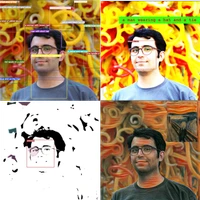
Visual Clues: Bridging Vision and Language Foundations for Image Paragraph Captioning
People say, "A picture is worth a thousand words". Then how can we get the rich information out of the image? We argue that by using visual clues to bridge large pretrained vision foundation models and language models, we can do so without any extra cross-modal training. Thanks to the strong zero-shot capability of foundation models, we start by constructing a rich semantic representation of the image (e.g., image tags, object attributes / locations, captions) as a structured textual prompt, called visual clues, using a vision foundation model. Based on visual clues, we use large language model to produce a series of comprehensive descriptions for the visual content, which is then verified by the vision model again to select the candidate that aligns best with the image. We evaluate the quality of generated descriptions by quantitative and qualitative measurement. The results demonstrate the effectiveness of such a structured semantic representation.
A Reality Check of Vision-Language Pre-training in Radiology: Have We Progressed Using Text?
Vision-language pre-training has recently gained popularity as it allows learning rich feature representations using large-scale data sources. This paradigm has quickly made its way into the medical image analysis community. In particular, there is an impressive amount of recent literature developing vision-language models for radiology. However, the available medical datasets with image-text supervision are scarce, and medical concepts are fine-grained, involving expert knowledge that existing vision-language models struggle to encode. In this paper, we propose to take a prudent step back from the literature and revisit supervised, unimodal pre-training, using fine-grained labels instead. We conduct an extensive comparison demonstrating that unimodal pre-training is highly competitive and better suited to integrating heterogeneous data sources. Our results also question the potential of recent vision-language models for open-vocabulary generalization, which have been evaluated using optimistic experimental settings. Finally, we study novel alternatives to better integrate fine-grained labels and noisy text supervision.
UniFGVC: Universal Training-Free Few-Shot Fine-Grained Vision Classification via Attribute-Aware Multimodal Retrieval
Few-shot fine-grained visual classification (FGVC) aims to leverage limited data to enable models to discriminate subtly distinct categories. Recent works mostly finetuned the pre-trained visual language models to achieve performance gain, yet suffering from overfitting and weak generalization. To deal with this, we introduce UniFGVC, a universal training-free framework that reformulates few-shot FGVC as multimodal retrieval. First, we propose the Category-Discriminative Visual Captioner (CDV-Captioner) to exploit the open-world knowledge of multimodal large language models (MLLMs) to generate a structured text description that captures the fine-grained attribute features distinguishing closely related classes. CDV-Captioner uses chain-of-thought prompting and visually similar reference images to reduce hallucination and enhance discrimination of generated captions. Using it we can convert each image into an image-description pair, enabling more comprehensive feature representation, and construct the multimodal category templates using few-shot samples for the subsequent retrieval pipeline. Then, off-the-shelf vision and text encoders embed query and template pairs, and FGVC is accomplished by retrieving the nearest template in the joint space. UniFGVC ensures broad compatibility with diverse MLLMs and encoders, offering reliable generalization and adaptability across few-shot FGVC scenarios. Extensive experiments on 12 FGVC benchmarks demonstrate its consistent superiority over prior few-shot CLIP-based methods and even several fully-supervised MLLMs-based approaches.
